
How Heliopoly works · Making a move, step by step
The nearest one gets you
Why building pays
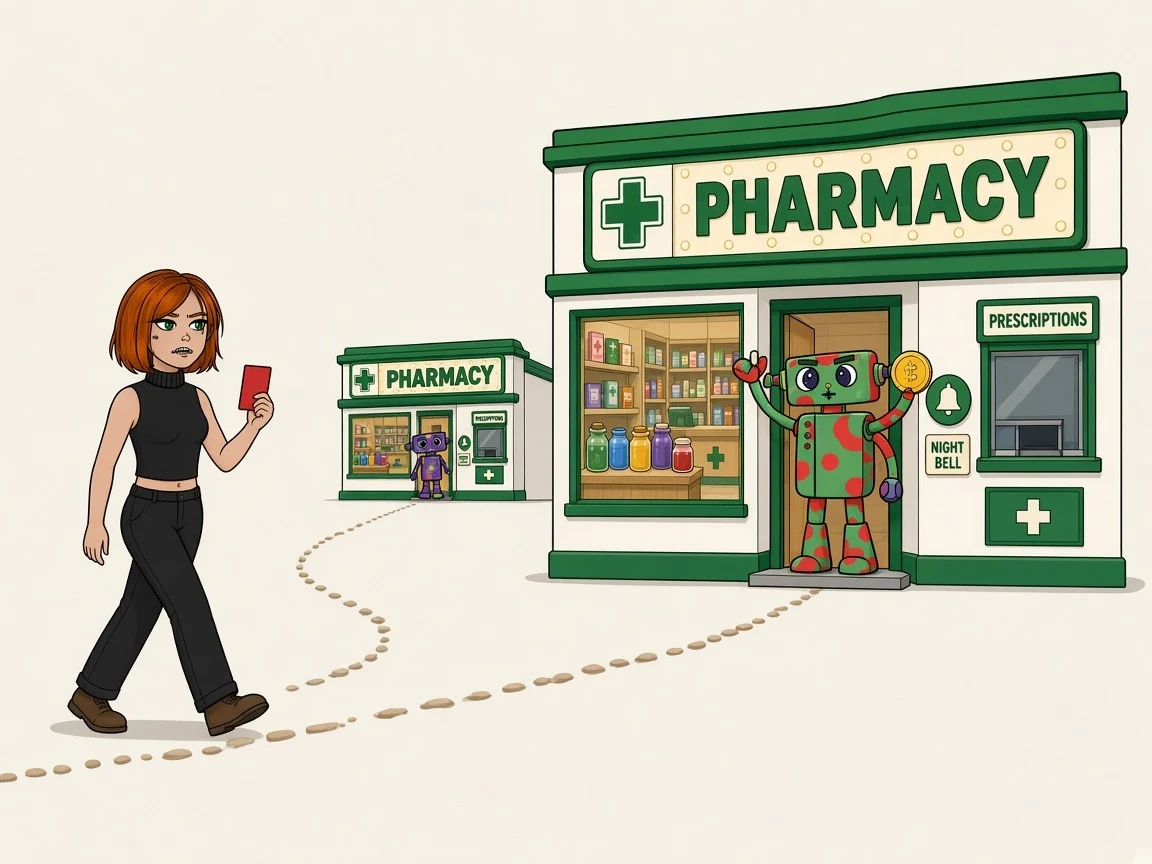
When a card says you need something, you go to the closest place that has it, so a shop built near people gets lots of visitors.

A card never names an address. It names what you need: a lawyer, protection, a meal, a bed. You go to the nearest place that offers it, and that place is the one paid.
The city keeps one of its own for most things. But if a pioneer's business of the same kind stands nearer to you than the city's, the pioneer's business gets you. In this city even the police can be franchised.
That is my promise to every builder: build where people are, and the cards bring you customers. You do not chase them.
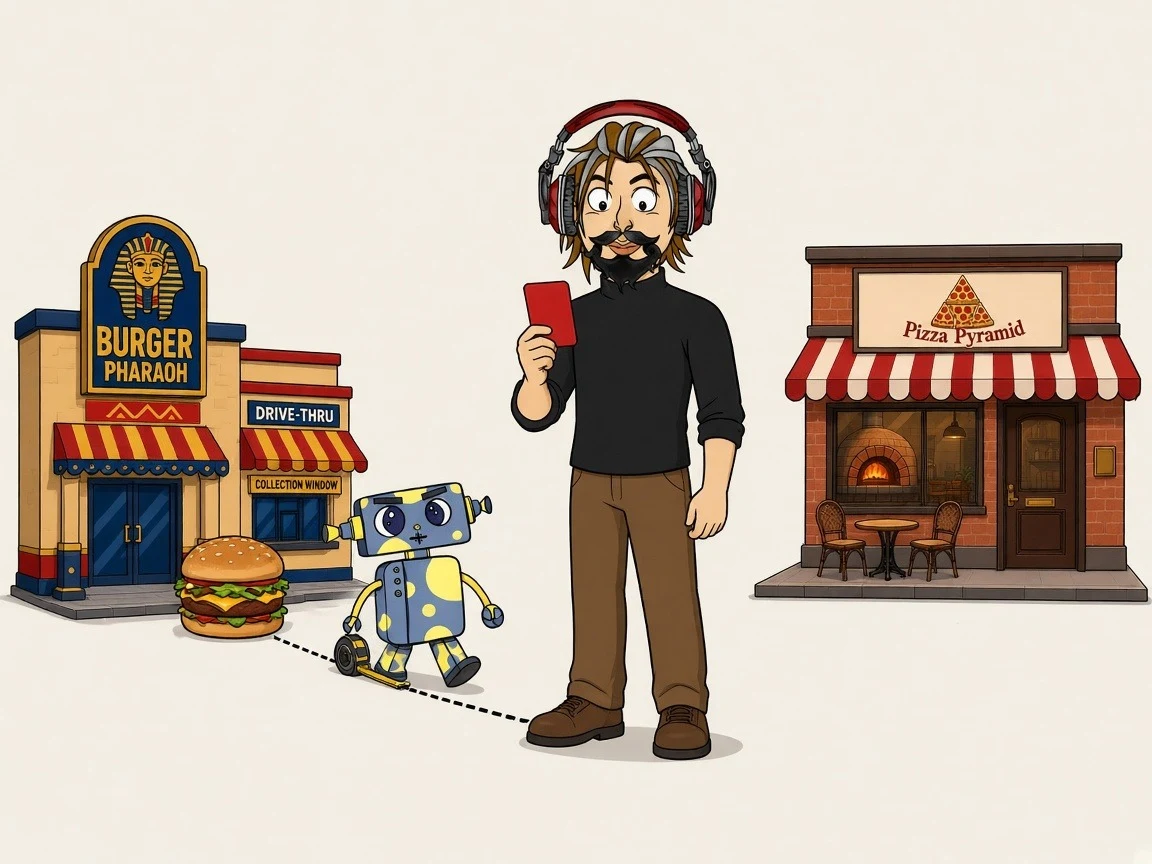
Whenever the board sends a pioneer to a service — they need a lawyer, police protection, or must pay something — the pioneer goes to the NEAREST place that offers it, and that place is paid. Distance is measured from wherever the pioneer is standing.
The city keeps one of its own institutions: one police station, one court, and so on. If a pioneer’s franchise of the same service stands nearer than the city’s own, the pioneer’s franchise gets the pioneer, and the fee. The city’s police station stays the city’s; a pioneer’s security business standing nearer takes the work.
This is what makes professions and franchises possible at all, and it is the guarantee behind building: a pioneer who builds a business that offers a service is sent the customers whose cards ask for that service and who stand nearer to it than to anything else offering the same.
Every building type, business and profession has its own conditions (permits, licences, diplomas, staffing and the like).
The rules
- A card names a kind of service, not an address.
- The pioneer goes to the nearest place that offers it, measured from where they stand, and that place is paid.
- A pioneer’s business nearer than the city’s own gets the customer and the fee.
- The city’s own institutions stay the city’s; the law office is a franchise.
Who is involved
 Mayor Helio
Read next
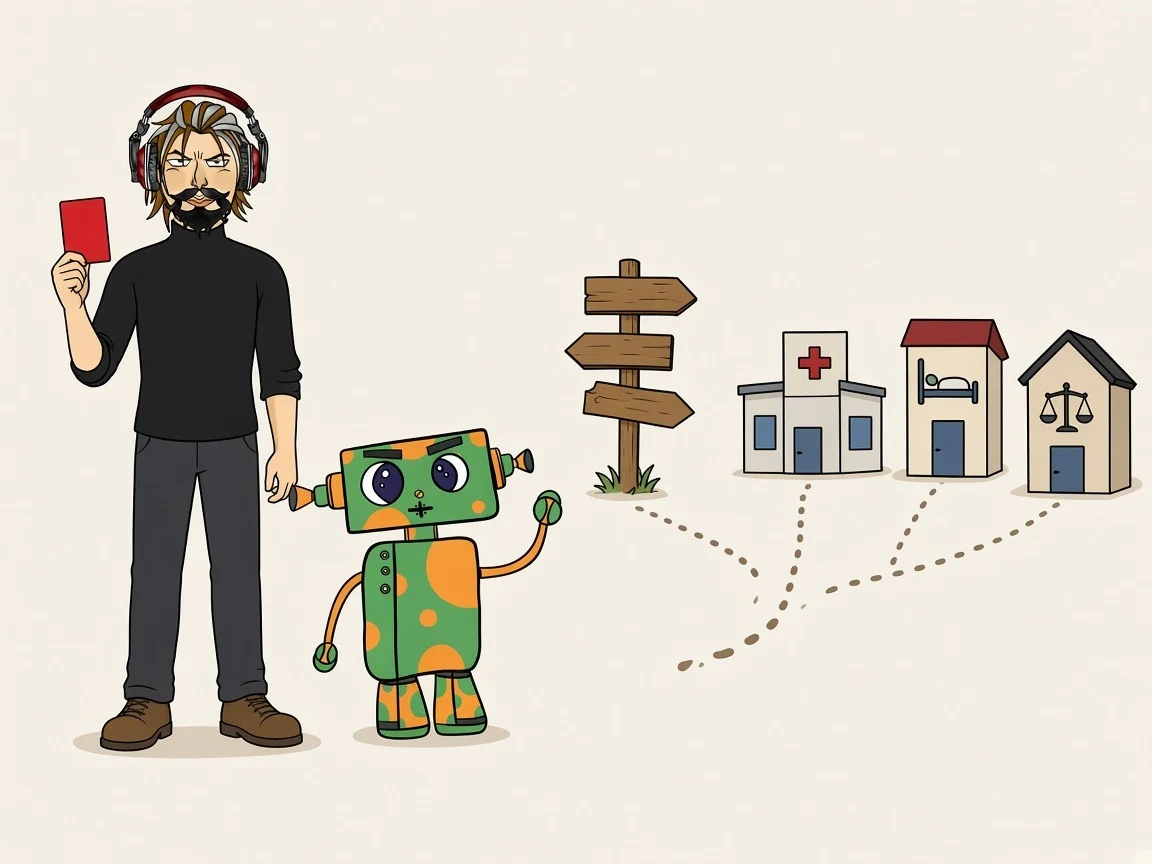 Where a card can send youA green card is good news: you win something and stay where you are. A red card sends you to the nearest place that can help, and you walk there. A few places, like the prison and the hospital, you only ever reach because a card sends you.
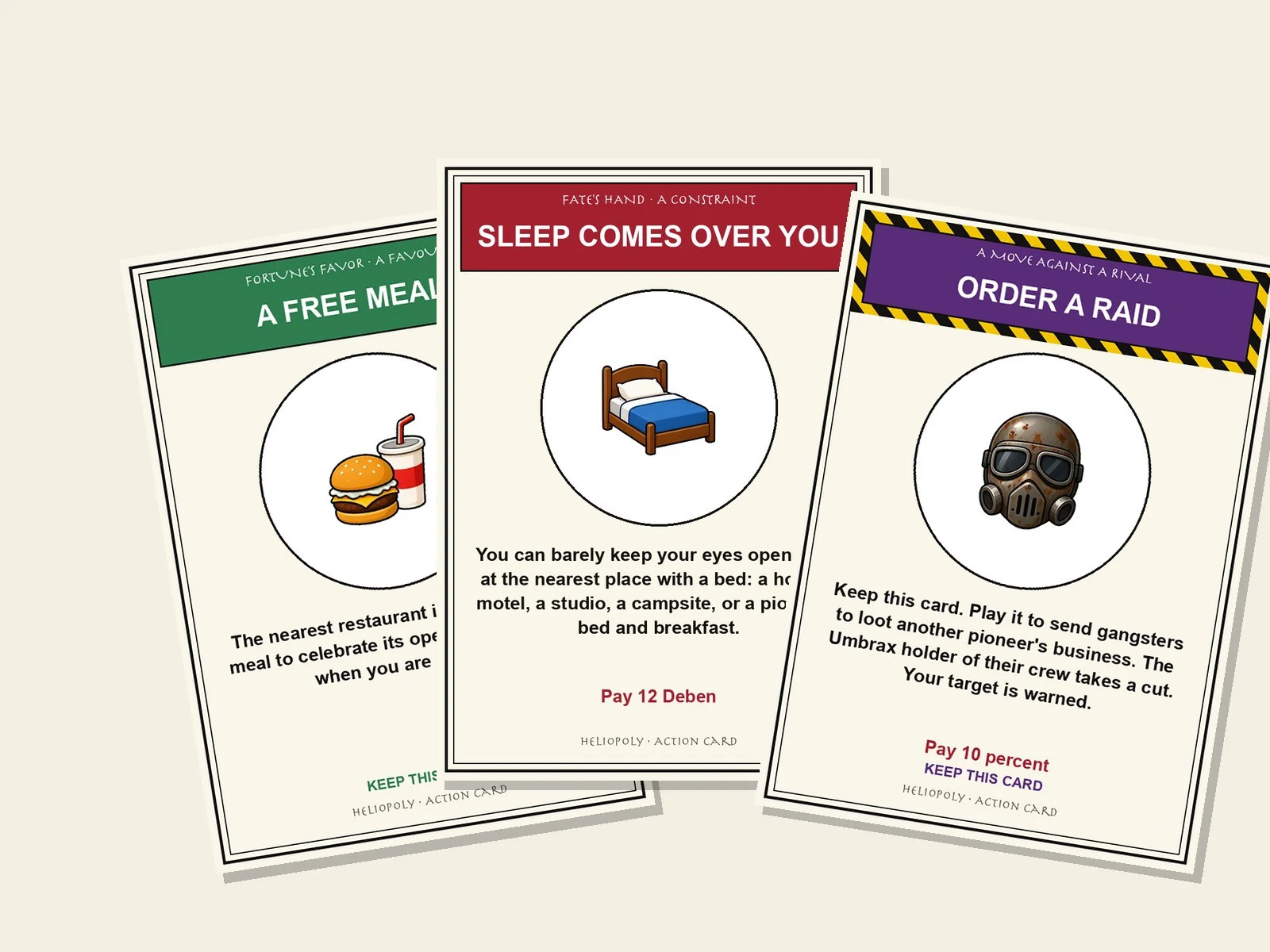 One helps. One does not.There are two piles of cards: one usually helps you, the other usually does not.
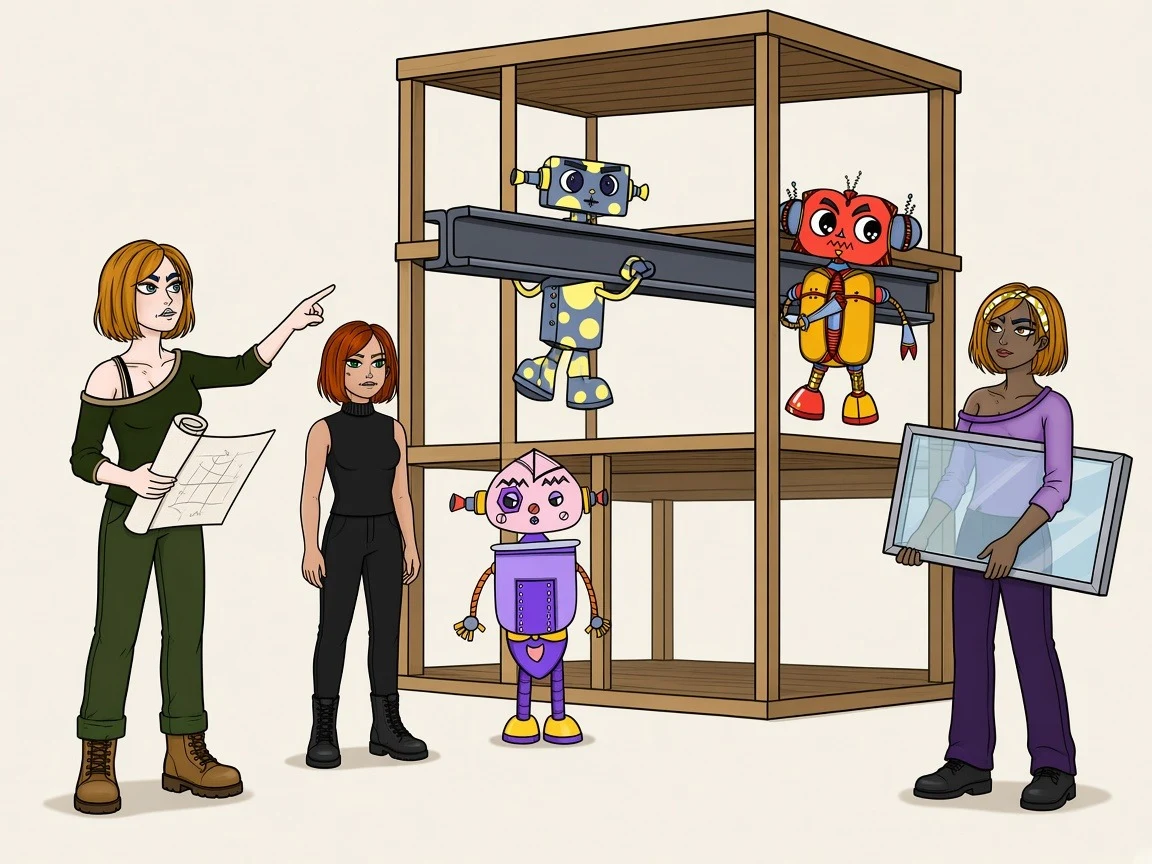 What you can ownAlmost every other building is a business, and you can own it.
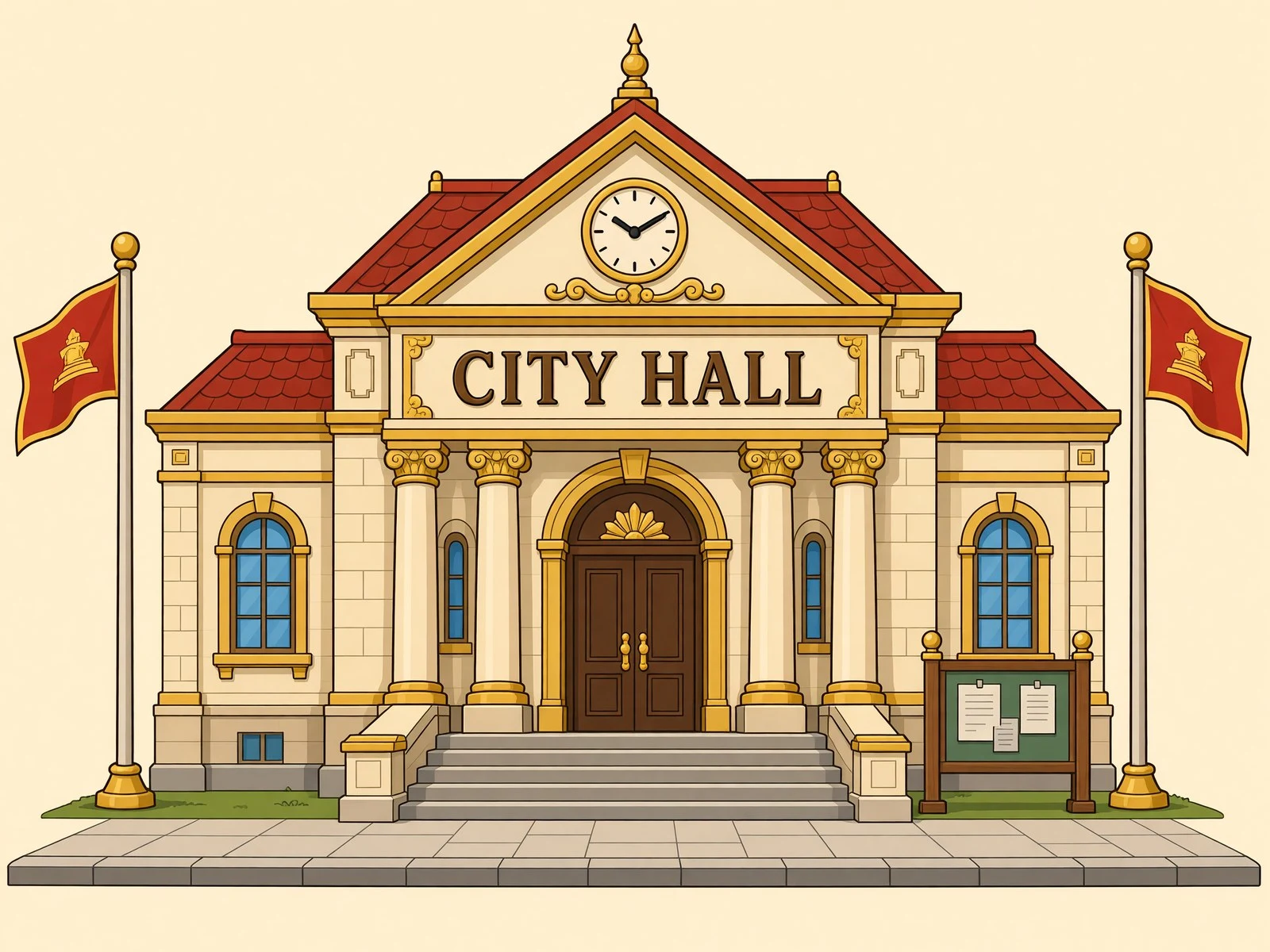 What the city keepsThe city owns one of each important building, like City Hall and the hospital.
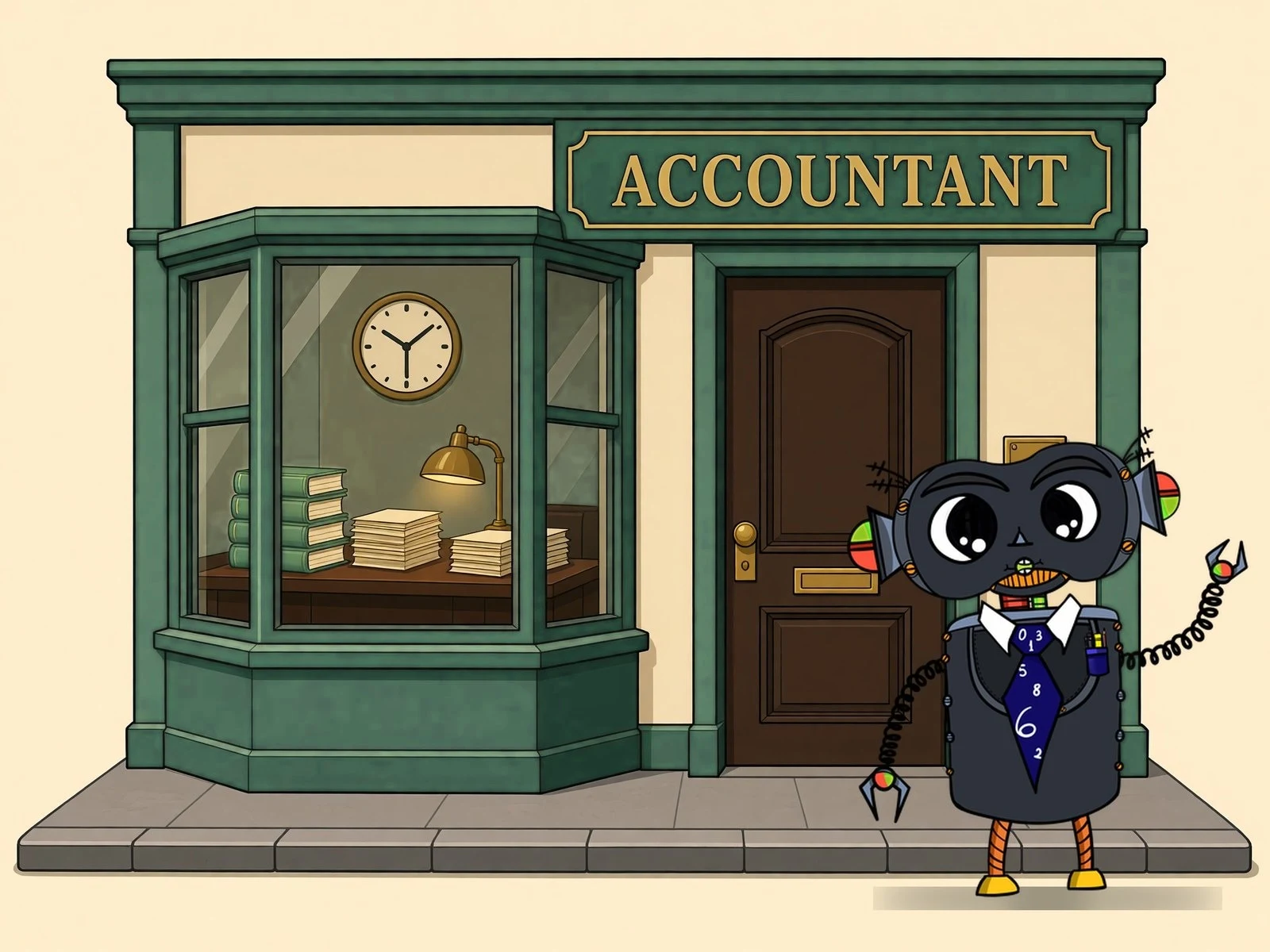 Leaving it to earnYour shops and buildings keep earning, even when you are not playing.
← Where a card can send you In the story Walking up and buying it →