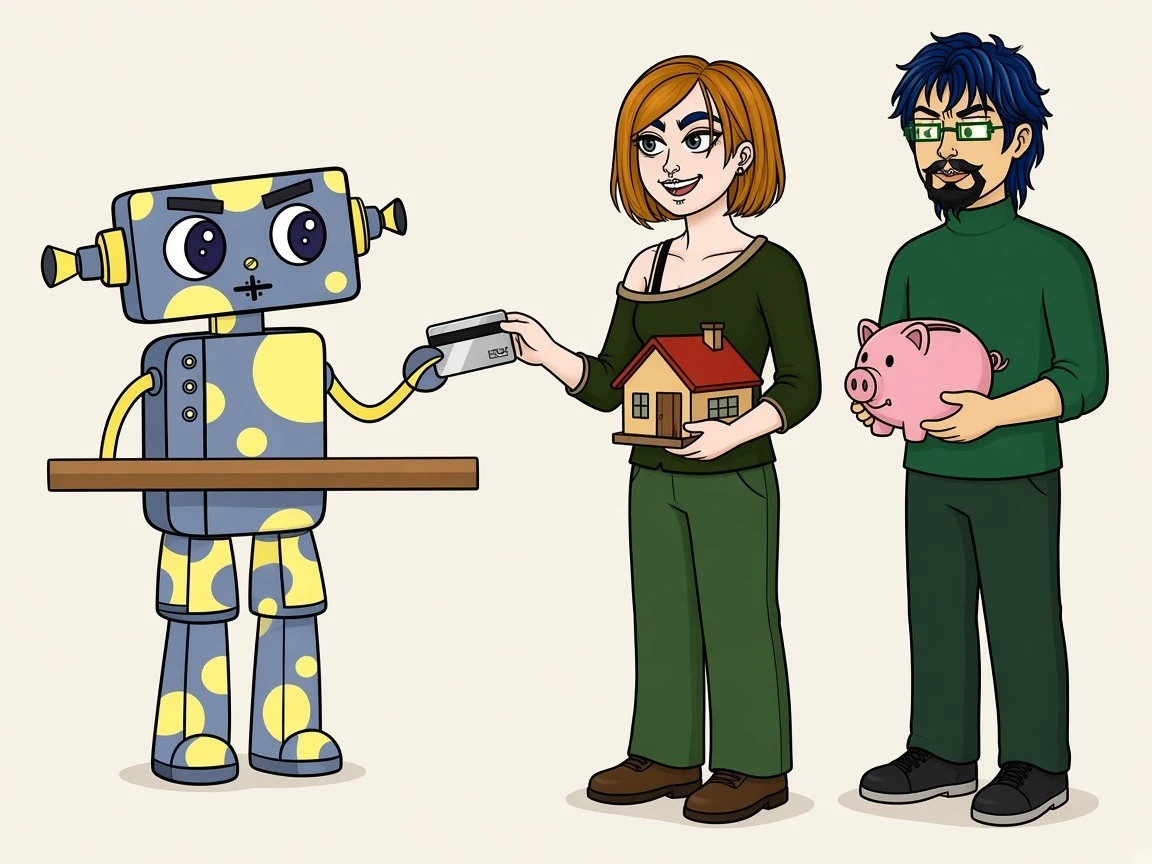
The city never takes your things for unpaid dues, but somebody else can buy your debt.
Nothing is ever seized for dues. Which is exactly why your debt is worth money to somebody else.
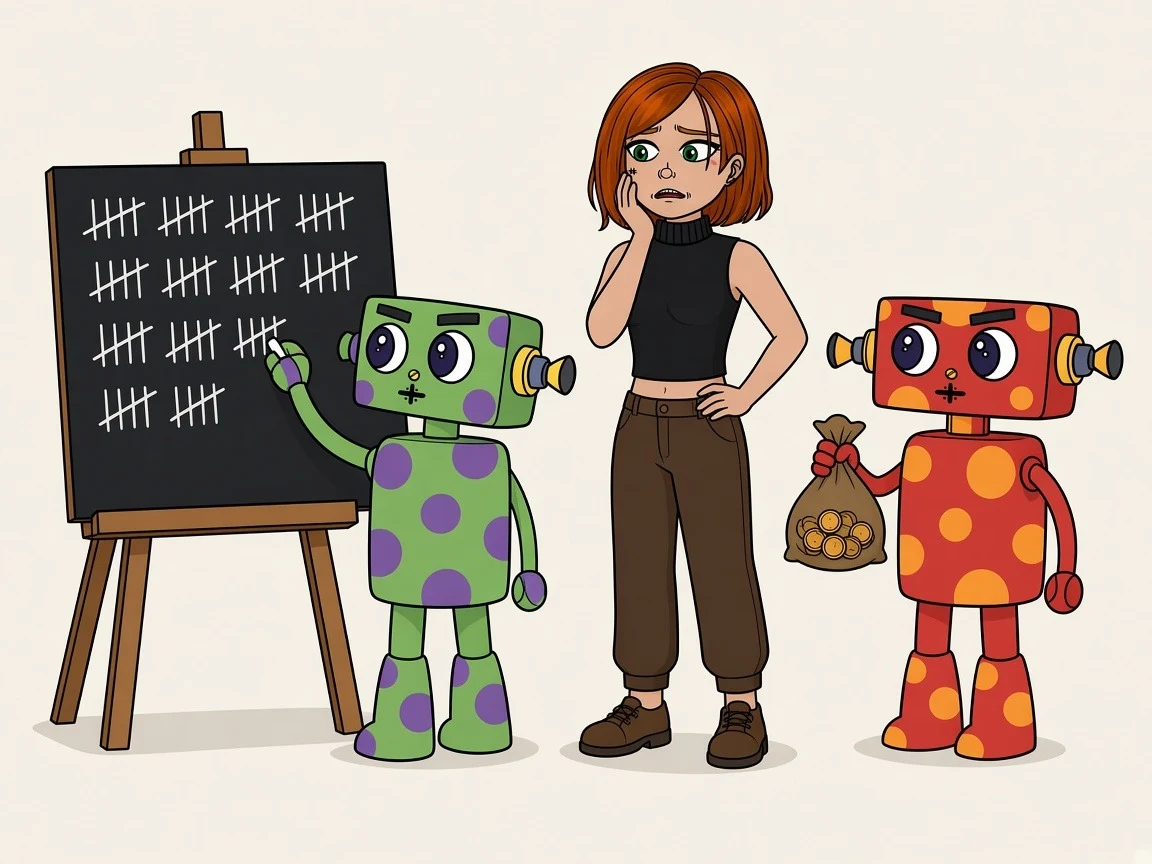
Unsettled, a demand goes on THE SLATE and is charged again the week after. Left long enough it will take all of a season's earnings and start on the next. It will never take the land.
So a slate is itself a lot. ANOTHER PIONEER MAY BUY THE DEBT. They pay the bank everything that was owed, so the bank is settled. The owner then owes the buyer double. The buyer takes a quarter of all the owner's income until they have recovered double what they paid; the other three quarters stay with the owner, so there is always money left to play with. The deeds do not change hands, and until the debt is cleared the owner cannot sell businesses or land, so they keep earning. Anything else may be sold, and the buyer takes a quarter of that too. The owner may also clear it early by paying the buyer whatever is still outstanding of the doubled amount, and is then free to sell businesses and land again.
Which is why absence has a price after all. Go away long enough and you do not lose the corner — you come back to find the corner has been earning for somebody else.
What happens to a slate
You may sell. Nobody may take.
A slate can always be cleared by putting something into Crypties yourself — reserve, six hours, commission, and the room may go a third over the valuation or fail to meet your price at all. It is your decision and it stays your decision. That is the difference between an auction and a seizure.
Or somebody buys the debt
A slate is itself a lot. Any settler may bid on another's arrears. The buyer pays the bank all that was owed, and takes a quarter of the owner's income until double what they paid has come back. The other three quarters stay with the owner. The land does not move. The deeds do not change hands.
Which is why absence has a price after all
Go away long enough and you do not lose the corner. You come back to find that the corner has been earning for somebody else, and that they bought the right to it in a room that does not ask where anything came from.
The rules
Nothing is ever seized for dues. The rule has no exception.
Whoever buys a debt pays the bank all that was owed. The owner then owes the buyer double.
The buyer takes 25% of the owner's income until double what they paid has come back. The owner keeps the other 75%.
Until then the owner cannot sell businesses or land. Anything else may be sold.
The 25% applies to any income of any kind, including what such a sale brings.
The owner may clear the debt early, at any time, by paying the buyer whatever is still outstanding. Their businesses and land are then free to sell again.
Paying early brings no discount: the debt stays double.
You may always clear a slate by selling something yourself, and it stays your decision.
While the slate runs, the city sells you no more land.
HVC is the city’s own channel. The newsletter brings it to you while you are away: what the Council just did, which official holds which card, what is running at Crypties, whose corner sold — and what is new to play. Joining makes you a Pioneer, with one account across every Gravitrek world. Leave whenever you like.
May we count your visit with Google Analytics? Nothing is loaded unless you say yes. Cookie Policy