1 / 20

How the economy works
How the economy works

Here is how our economy works: where things come from, what they cost, and why prices move.
1 / 20
 the space city

How Heliopoly works · one section, step by step
Where things come from, what they cost, and why prices move. Let me take you through it, one step at a time.
This section
One step for each page of this section. Each step links to its full page.
Opens large and plays by itself, with the Mayor's voice: about 8 minutes. You can pause it or go at your own pace.
How the economy works
Here is how our economy works: where things come from, what they cost, and why prices move.
How the economy works · 1 of 6
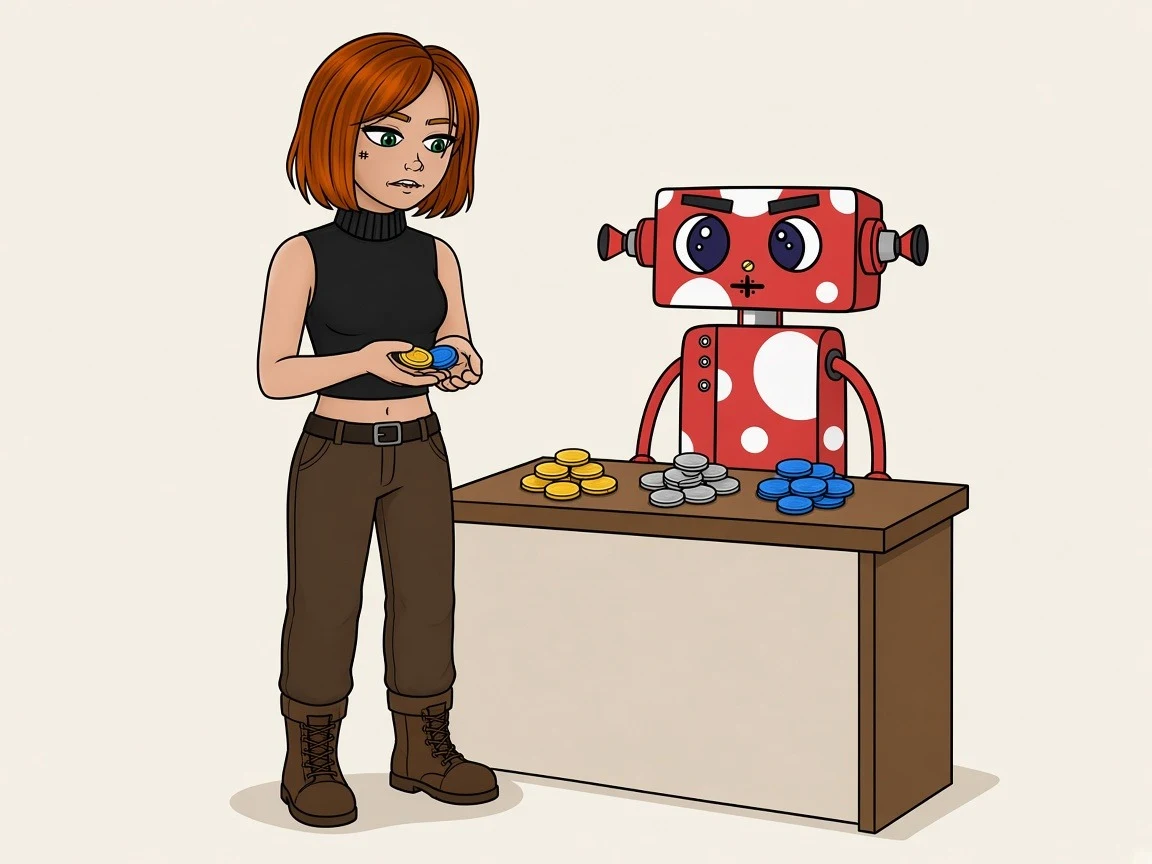
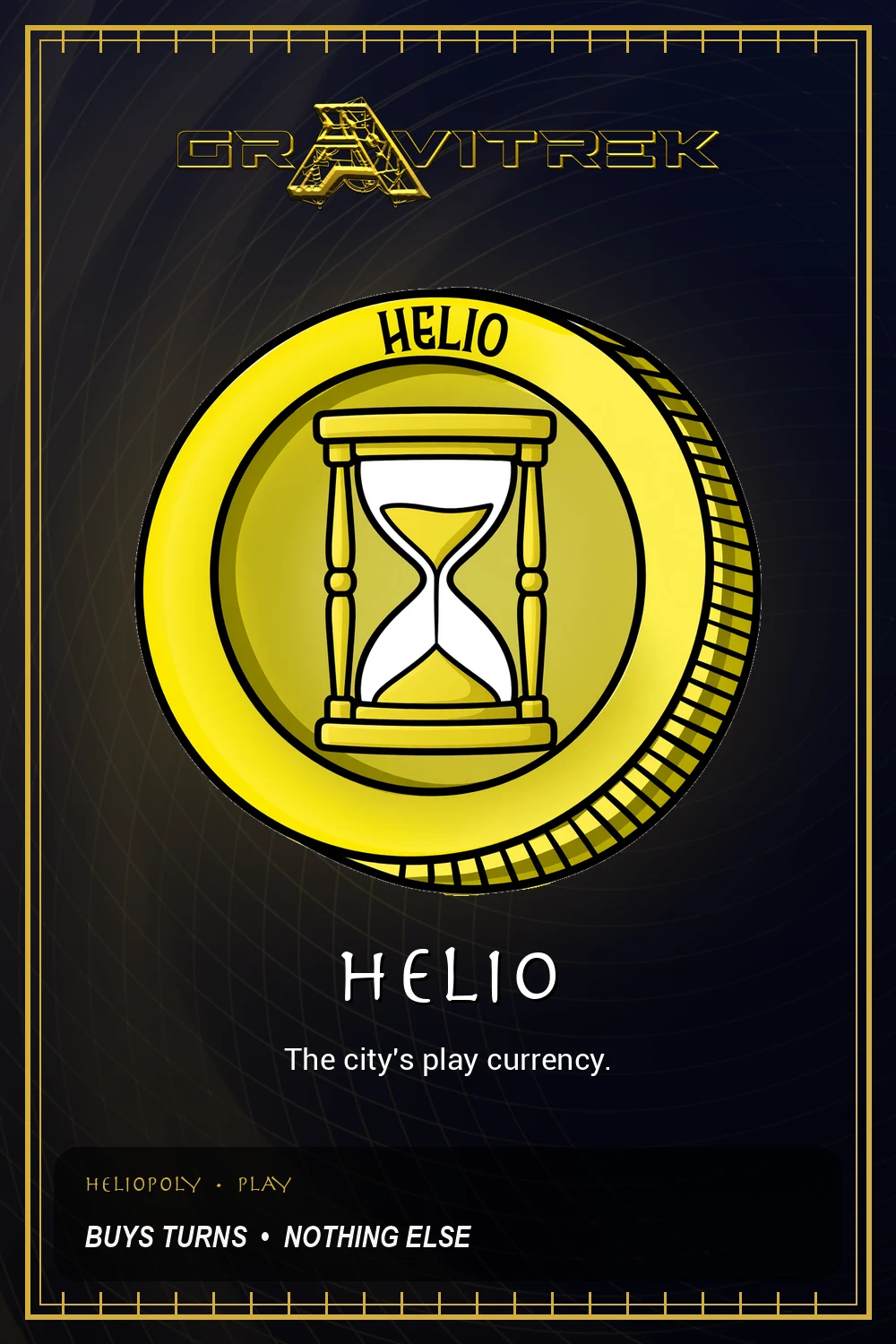
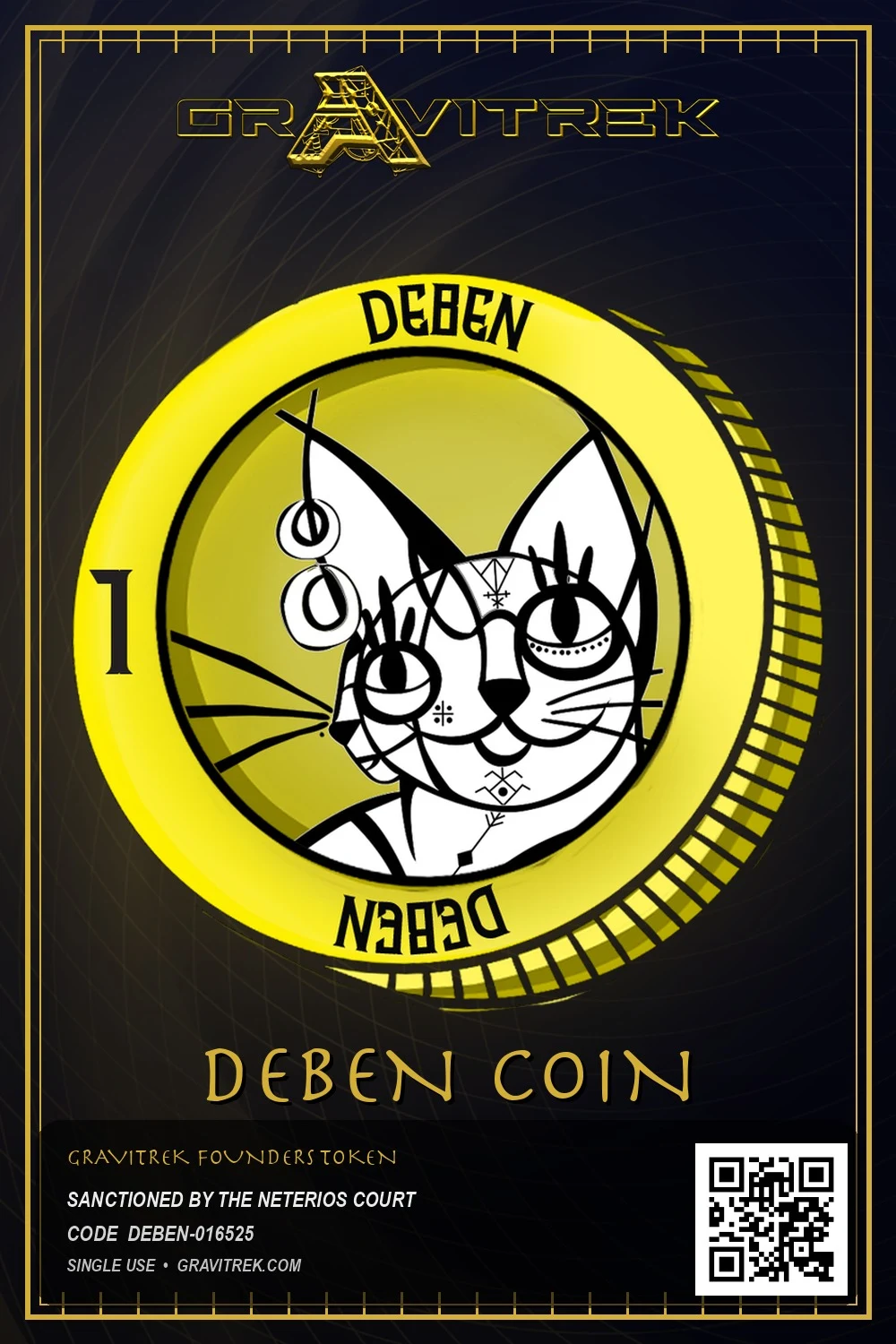
Three currencies run through the whole Gravitrek universe, and one more through the back streets. You can earn everything you need just by playing.
In short: Helio lets you move. Deben is what things cost. Gravi can be swapped for goods. The game is free to play.
How the economy works · 1 of 6 · in depth
HELIO gives you your moves. DEBEN is as good as gold and is what things cost. GRAVI can be bought, and swapped for goods and services, even physical goods. Buying Gravi only makes some things faster.
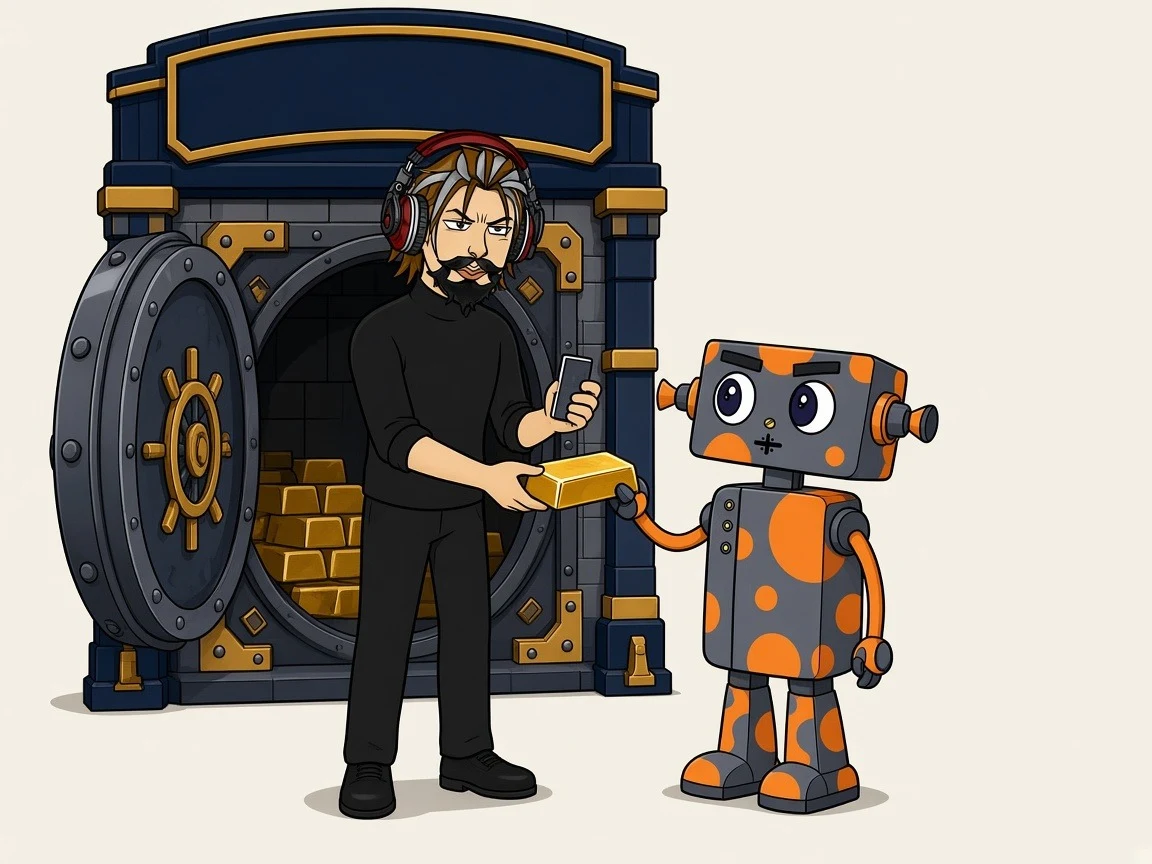
Deben in your account cannot be stolen. Gold is kept in the vault at the Gold Depot. S.X is the money of the underworld: carry it and the police will take all of it if they stop you.

How the economy works · 1 of 6 · the rules
• The game is free to play: everything needed can be earned by playing.
• The Gold Depot vault takes only gold. A vault card costs 1 Deben and pays for twelve visits.
• Banco Los Lobos is the one safe place for S.X: 1 S.X a visit. S.X lodged there cannot be looted, and S.X is never taxed.
• Tax is flat: on each tax day, 2 Deben a lot, 3 a floor, 5 a business. Air rights not yet built on pay nothing.
How the economy works · 2 of 6
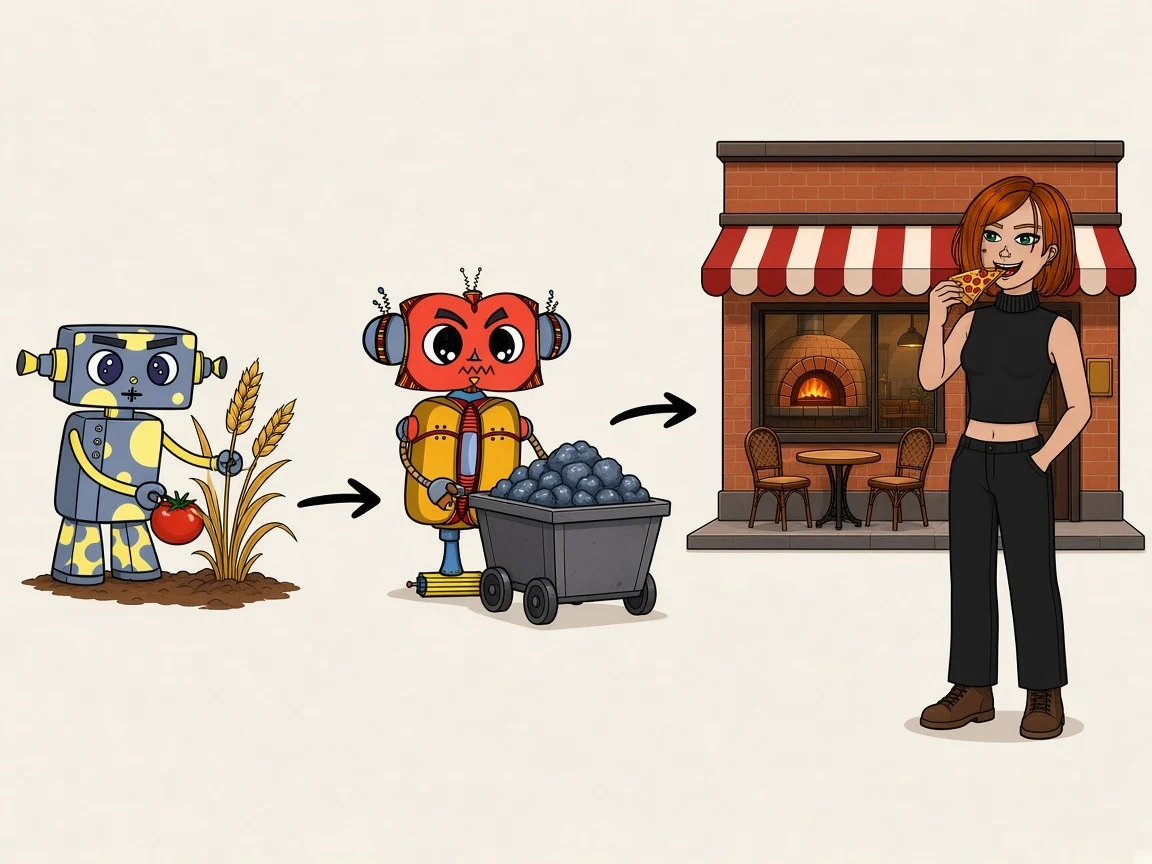
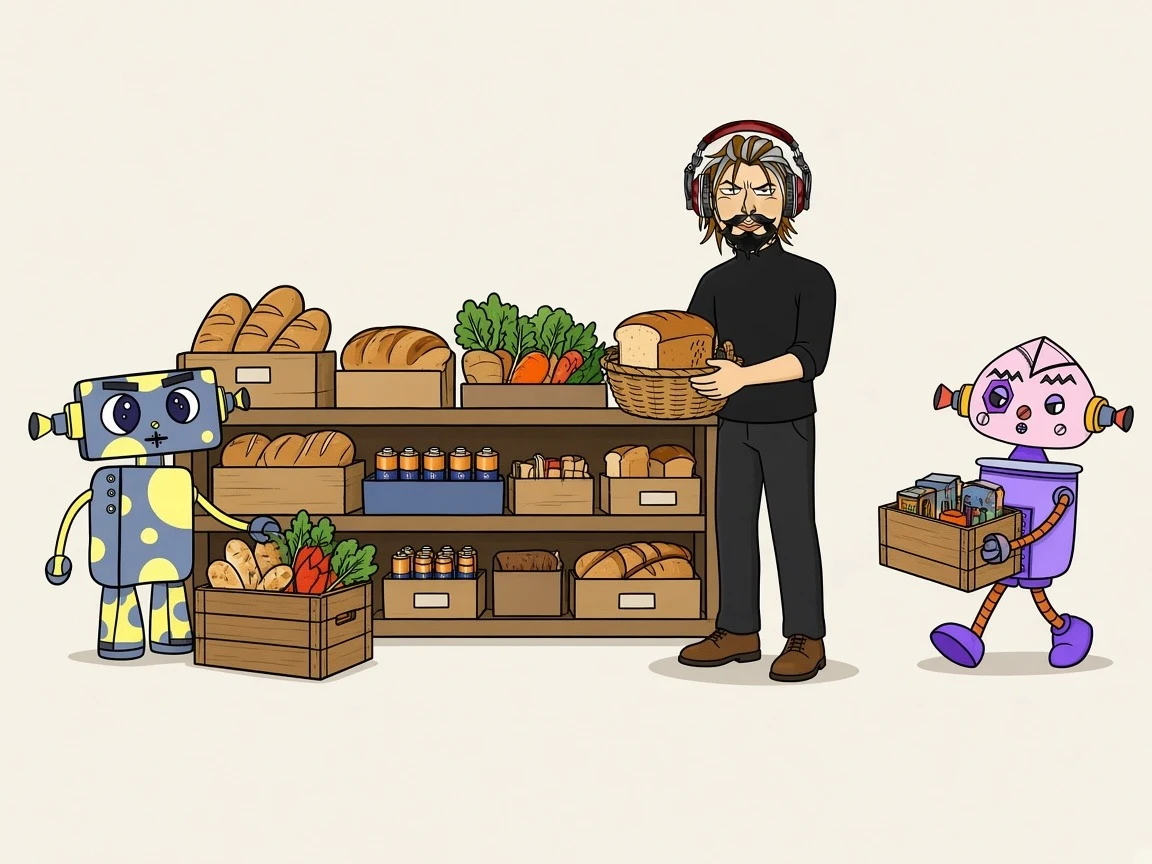
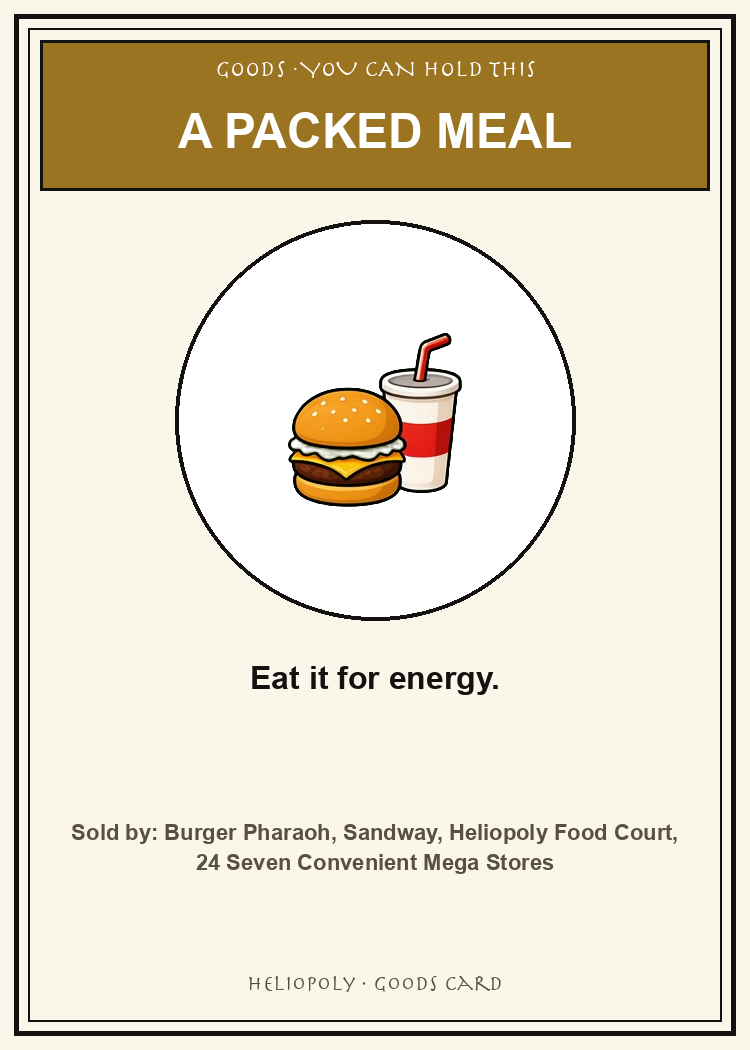
The pizza on your plate began as wheat on Fertilius. The beam in your wall began as ore on Planet 65. Somebody earned, grew, dug or made everything in this city.
In short: Everything you use came from somewhere: a farm, a mine or a factory. And the shops never run out for good.
How the economy works · 2 of 6 · in depth
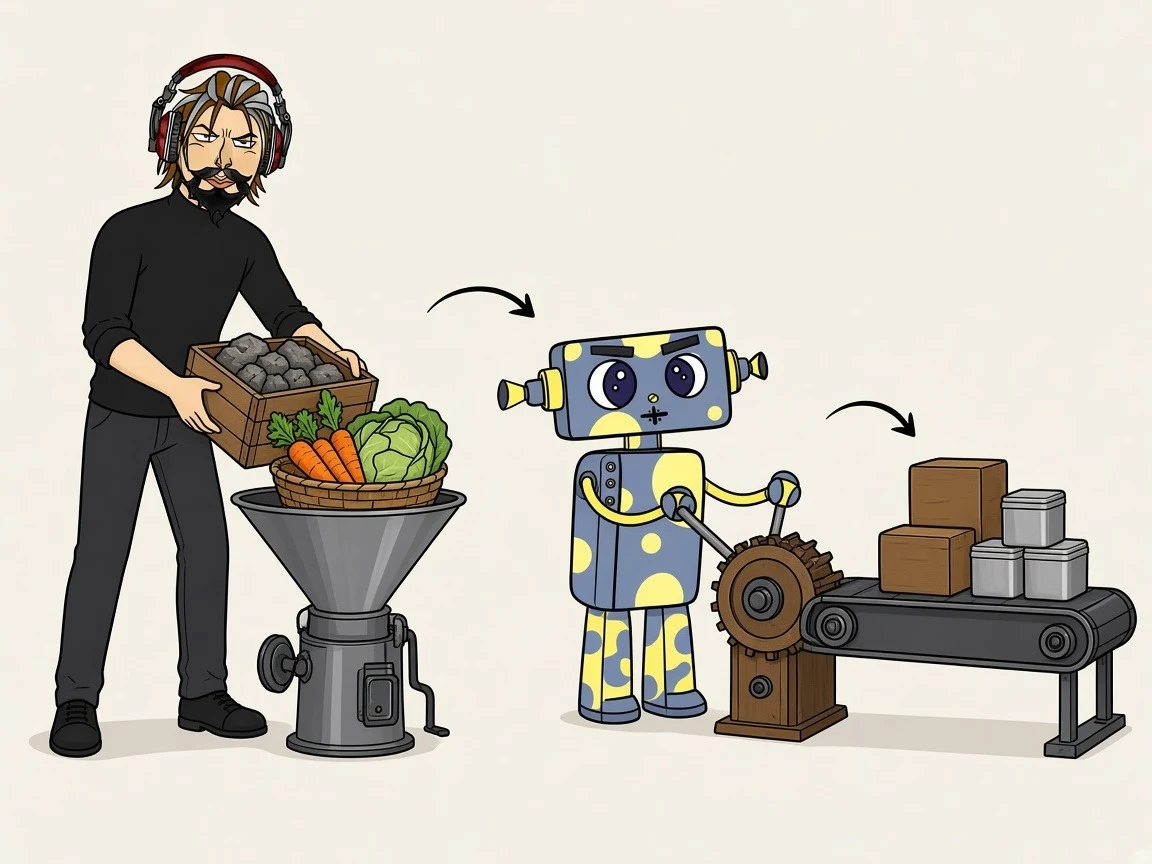
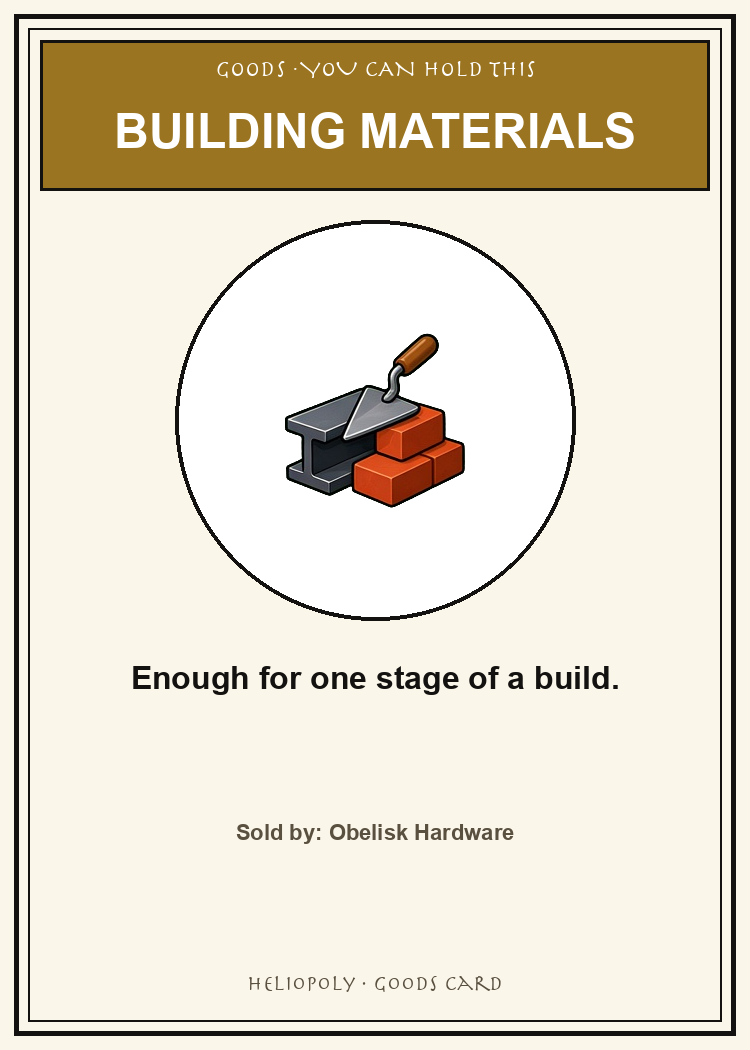
Planet 65's ores and Fertilius's crops and timber are worked into steel beams, timber, sealant, glass and wire, and every floor of a building needs some of each. A pioneer never has to play the other games to use them.
NOTHING RUNS OUT FOR GOOD. Robots on the farms, in the mines and in the factories make goods all the time, so the city's shelves are never empty. Pioneers who farm, mine or work a factory shift add to it and earn from what they sell.
How the economy works · 2 of 6 · the rules
• Robots produce a steady base of goods every day; pioneers add the rest.
• Factories make each day the average of what was bought over the last seven days. A batch may sell out for a few hours, never for days.
• Unsold factory stock stays on the shelf, up to one day's batch.
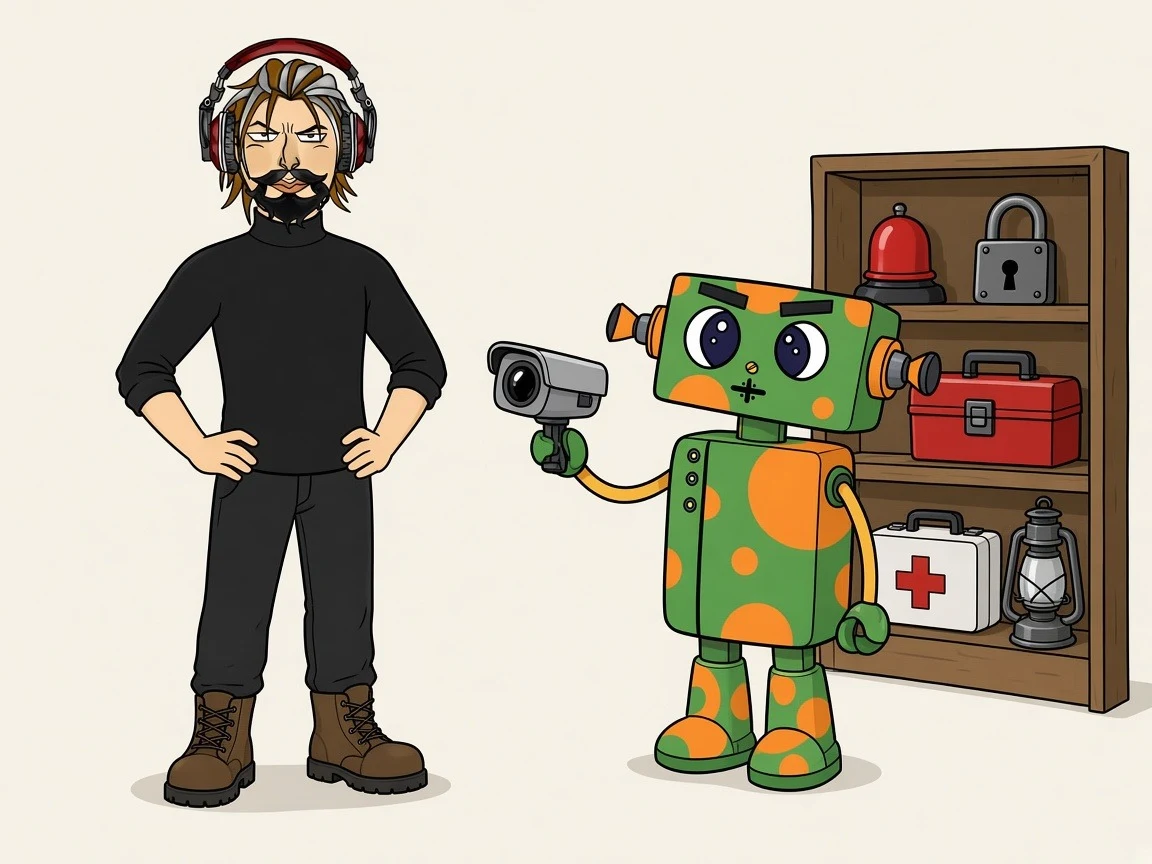
• Any business may be a maker: a pharmaceutical lab makes medicine, jewellers make jewellery, security companies make alarms, extinguishers and cameras.
How the economy works · 3 of 6
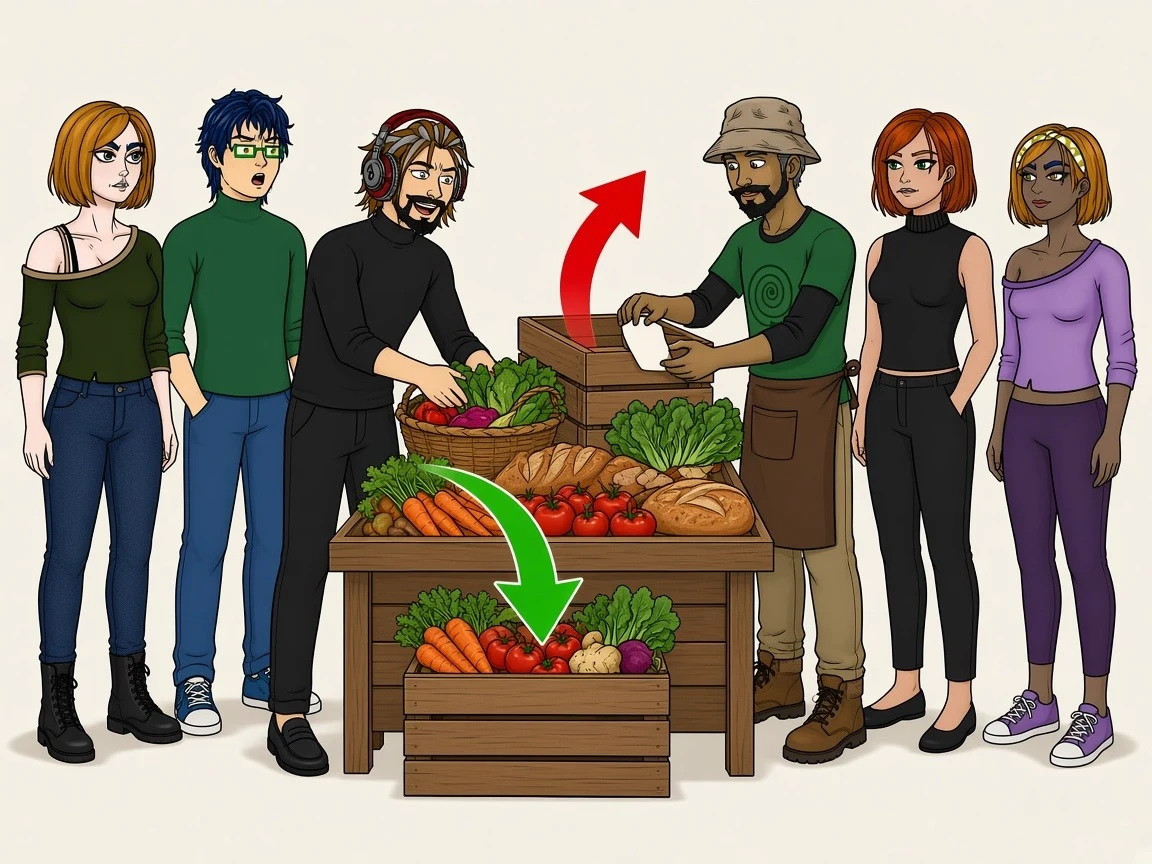
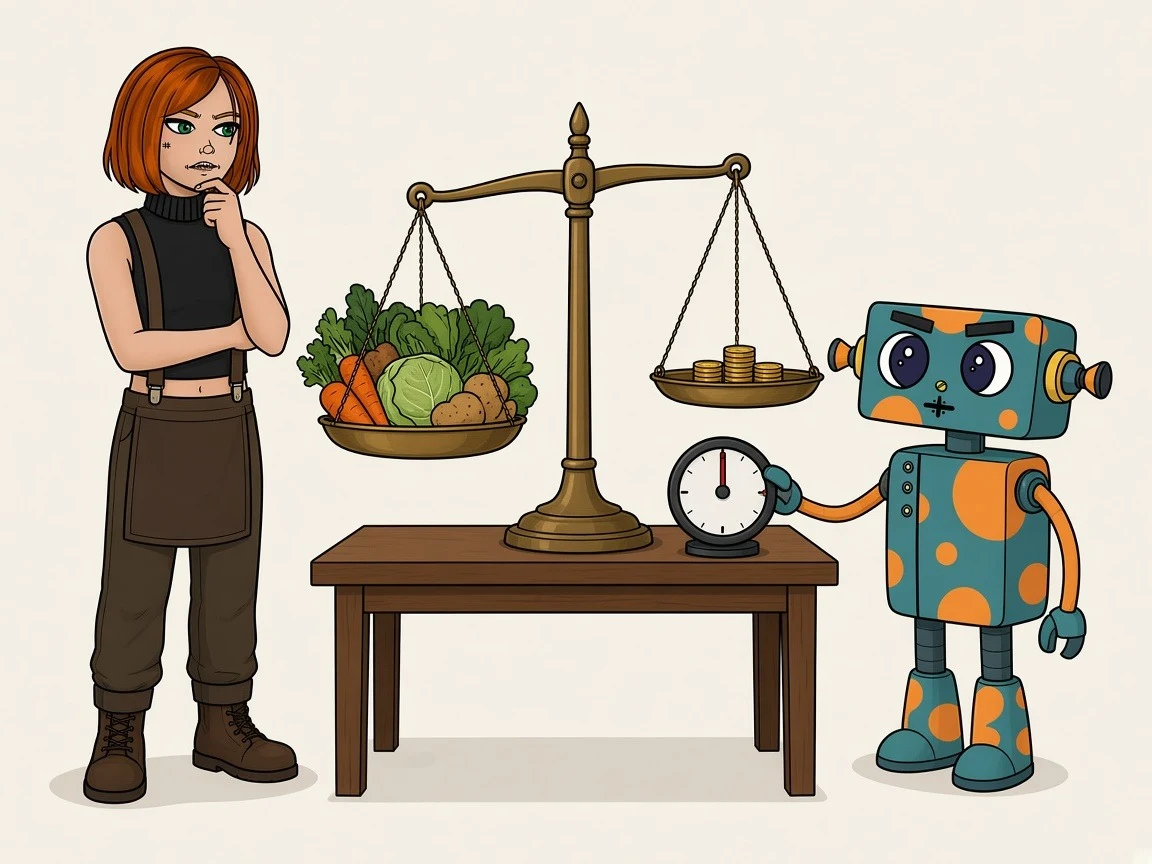
I do not set the prices here. You do, all of you, by what you make and what you buy.
In short: When few people farm, food costs more. When many do, it costs less. Prices move, but they never run away.
How the economy works · 3 of 6 · in depth
The robots' output keeps goods on the shelves; THE PRICE MOVES WITH WHAT PIONEERS PRODUCE against what the city wants. Few farmers means dear food, never no food.
An automatic market maker suggests a fair price for every shop, with a ceiling buyers will not go above. An owner may set their own price instead, for their own shops only, and gives up that protection. In times of plenty anyone may sell below the suggested price.
How the economy works · 3 of 6 · the rules
• A business's stock always costs less than half of what it sells for. No price starts below its cost.
• Food put up for sale goes bad if it is not sold within three days.
• A pioneer may keep what they buy out of sight; the market sees only what is put up for sale.
• The Heliopoly Sheet is the one place prices are set.
How the economy works · 4 of 6
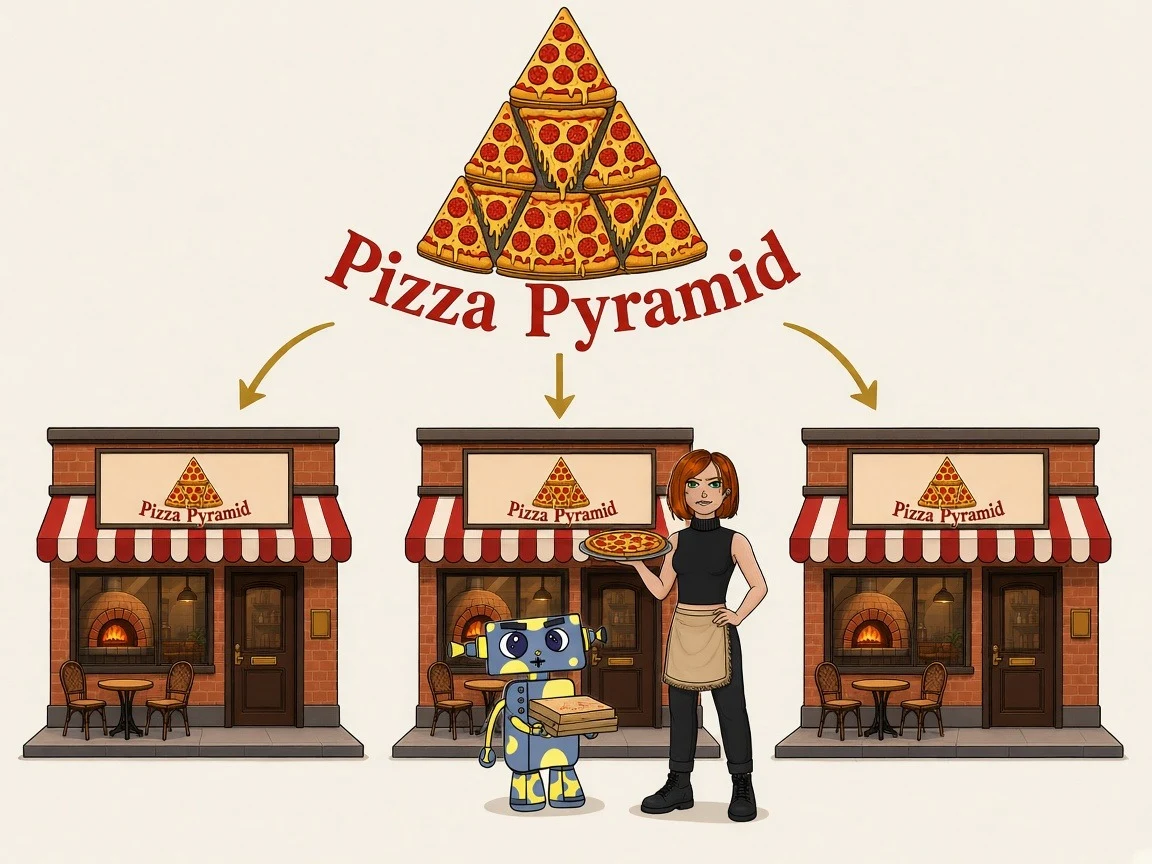
You do not have to invent a shop. Take a name people already love, open it on your corner, and keep what it takes.
In short: You can open a shop with a famous name, like Pizza Pyramid. Customers already know it.
How the economy works · 4 of 6 · in depth
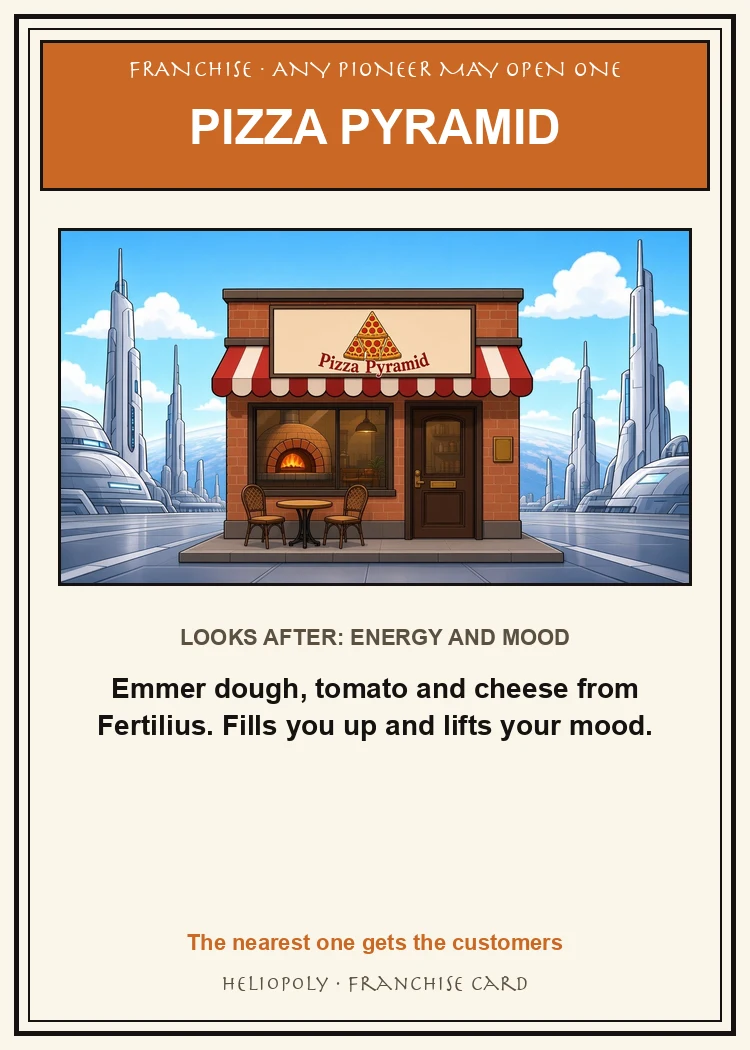
A franchise is a business under a known brand: Pizza Pyramid, Cleopasta, Wasabi Wave, Obelisk Hardware, Gold Rush, Mummy Movers, Mummy's Attic and more. You run it and you keep its takings.
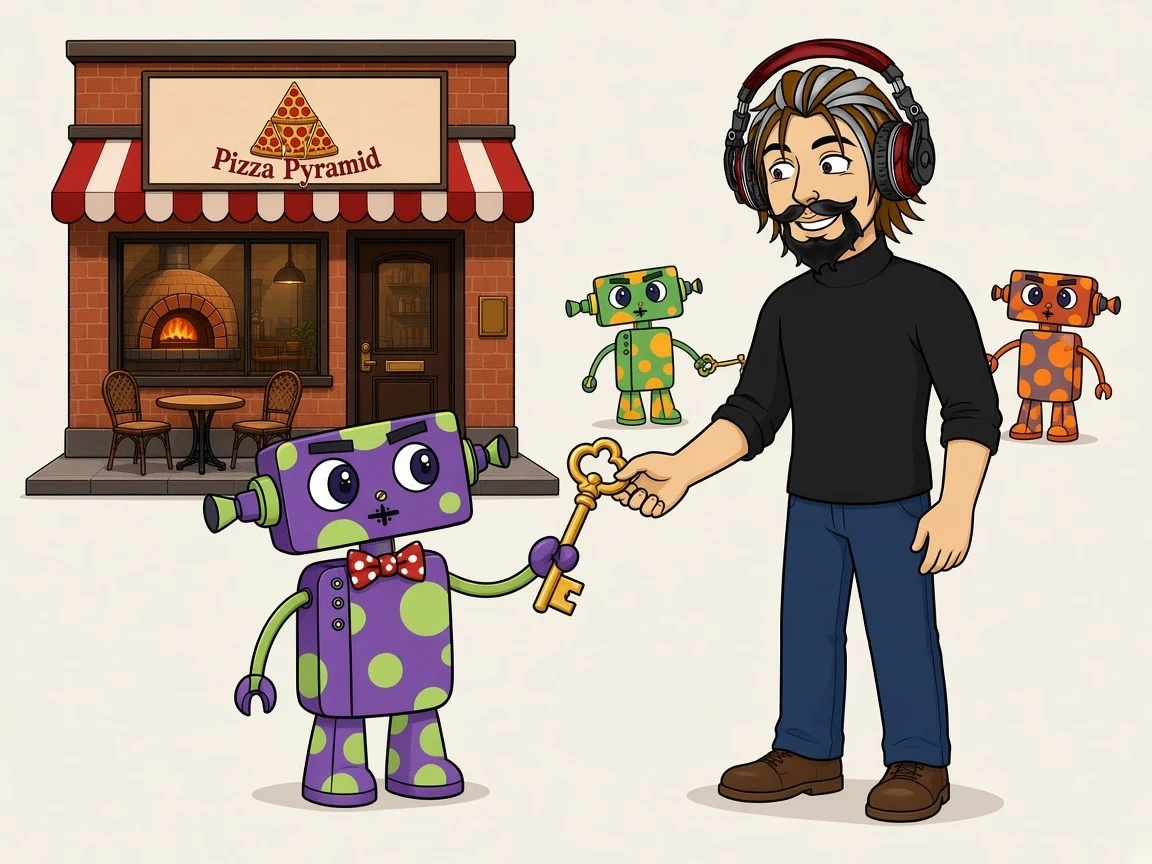
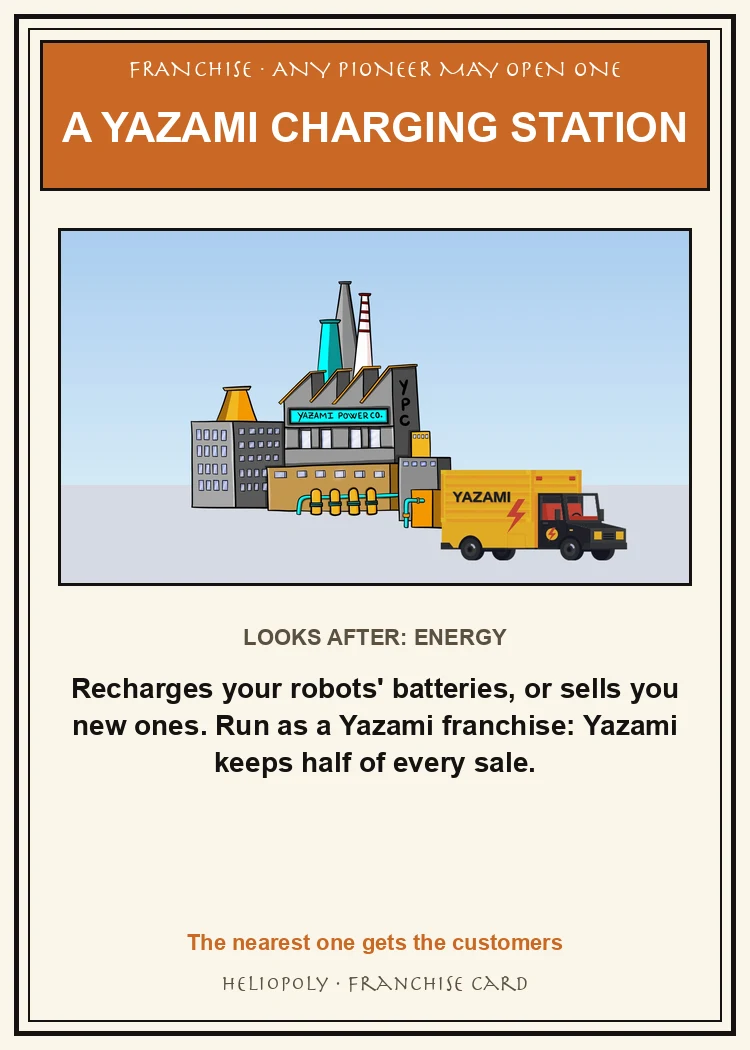
Some are run together with a big company: a Yazami charging station, a Fertilius Seeds shop. The company supplies the goods and you share the takings half and half.
ANYTHING CAN BECOME A FRANCHISE. If your part of town lacks something, that is your chance.
How the economy works · 4 of 6 · the rules
• To open any business: a business licence, the diploma for the trade, and the papers it asks for, filed at City Hall.
• Yazami and Fertilius franchises split takings 50/50 with the company.
• No two pharmacies, Yazami charging stations, Gold Rush dealers or Mummy's Attic facilities may open within three lots of each other. Every other business may cluster.
• Nobody's ownership is capped: an overpriced cluster simply stops being sent customers.
How the economy works · 5 of 6

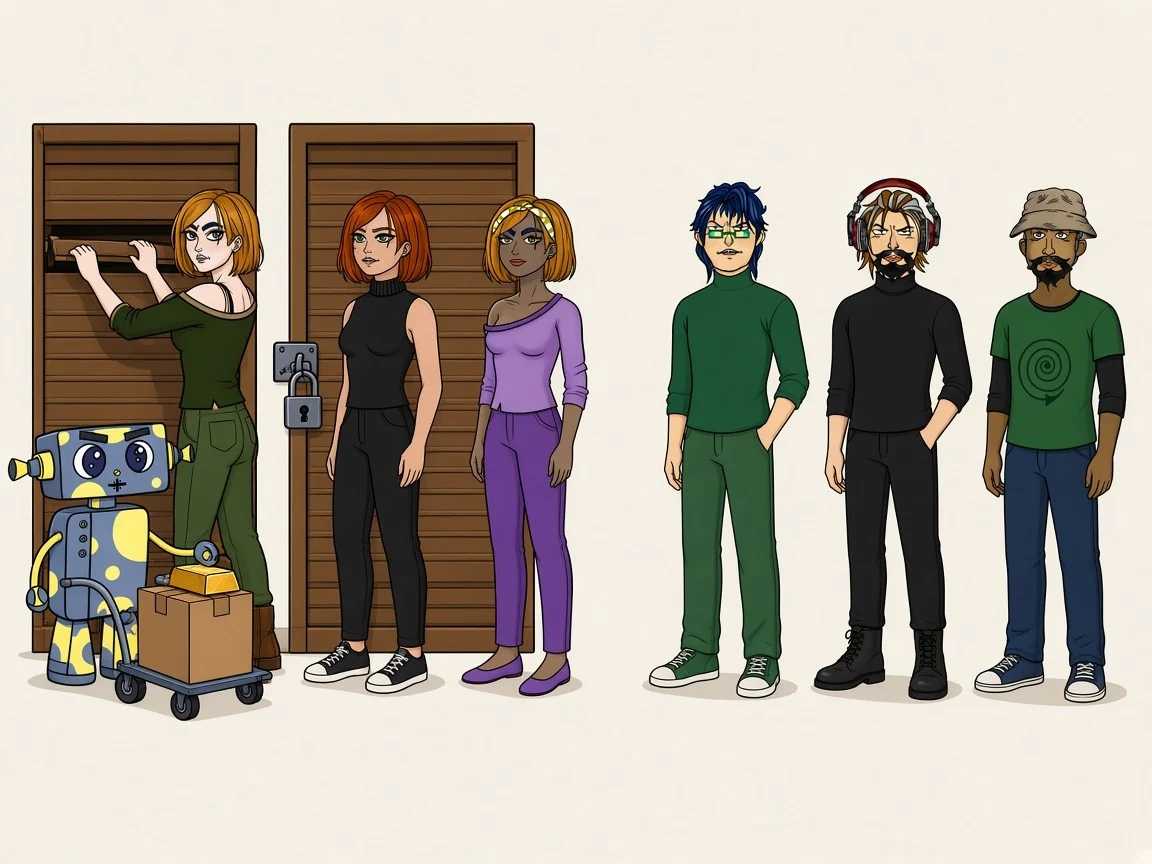
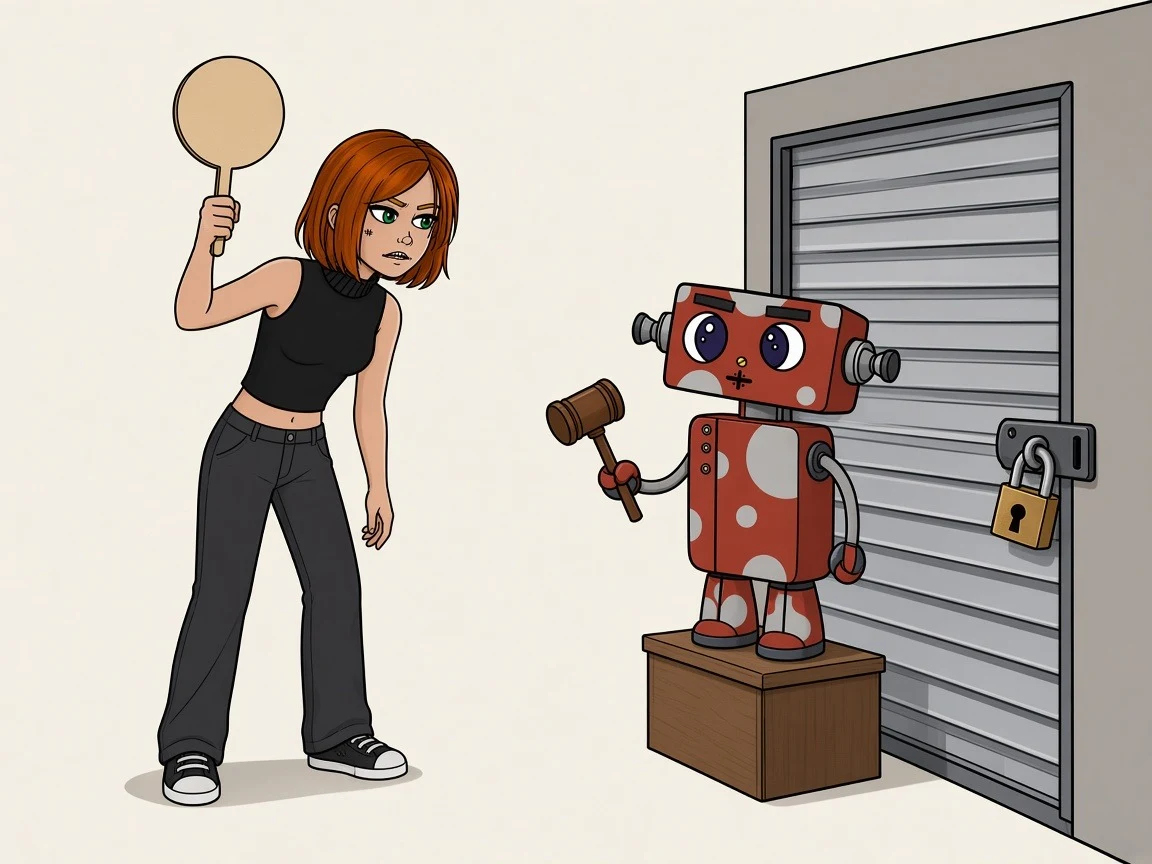
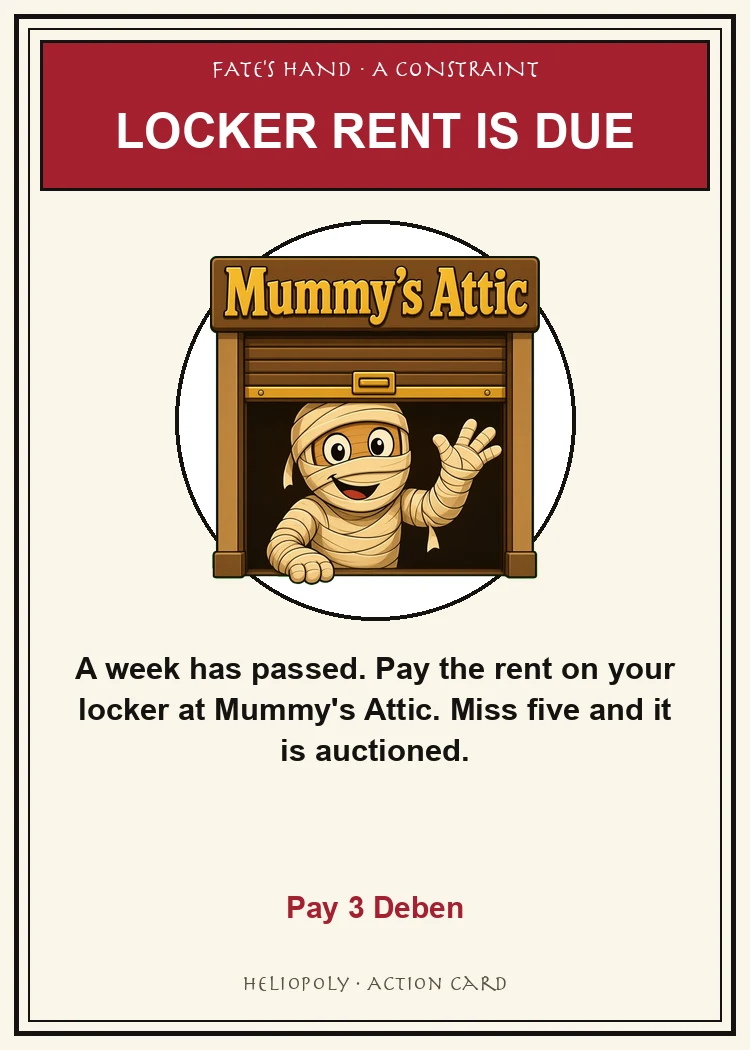
Too much to keep at home? Rent a locker at Mummy's Attic. But pay your rent, or someone will be bidding on your treasures without even knowing what they are.
In short: You can rent a locker for your things. If you stop paying, it is sold without anyone looking inside.
How the economy works · 5 of 6 · in depth
Mummy's Attic is the storage franchise, opened with the Logistics diploma. Storage is cheap by design, and the owner's robot collects the rent.
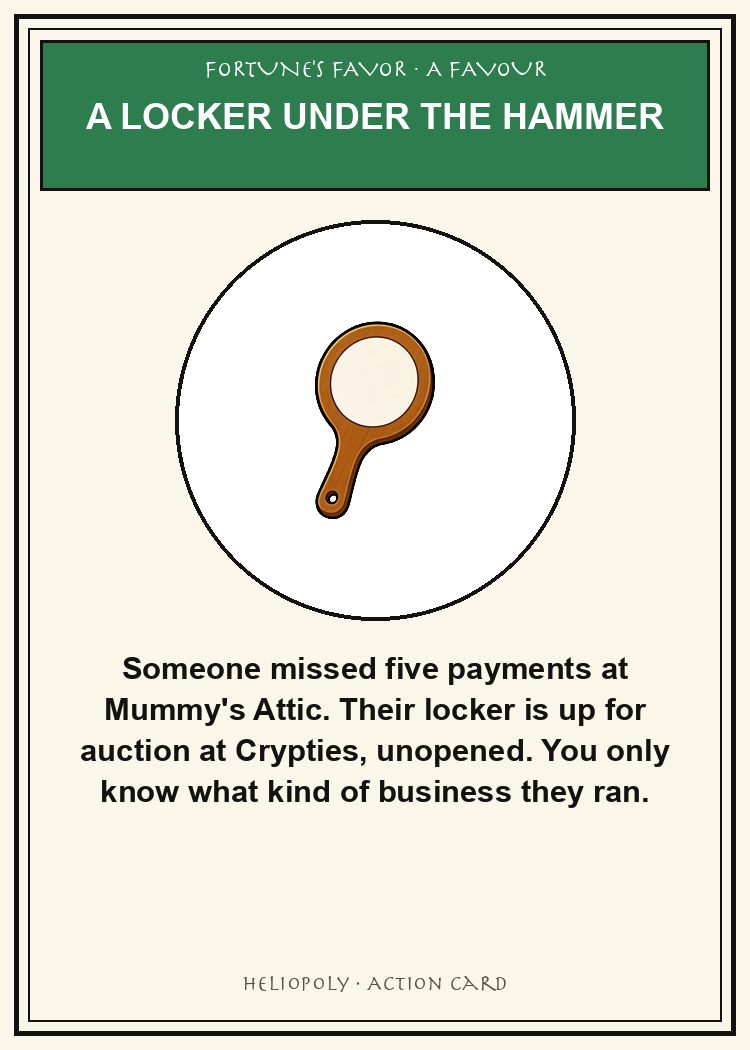
MISS FIVE PAYMENTS AND THE LOCKER IS AUCTIONED AT CRYPTIES, BLIND. The bidders know only what kind of business the renter ran. A CHOFILI card gives a rough peek. The winner owns everything inside.

How the economy works · 5 of 6 · the rules
• A small locker holds 250 items, a medium 500, a large 1,000. Rent is by the week; the amounts are on the Sheet.
• The owner is paid the missed rent; anything left over is sent straight to the former renter, with a message.
• Food still goes bad in a locker. A cold locker costs more and keeps it.
• A storage floor is light and cheap to build, may be wide and low, and needs no fire certificate.
How the economy works · 6 of 6
A clever pioneer does not only buy land. A delivery saves a walk, an advert brings customers, a strongbox saves your stock.
In short: There are handy things to buy: a delivery, an advert, a loyalty card, a strongbox and more.
How the economy works · 6 of 6 · in depth
Each of these plugs into a rule the city already has, so each is a real decision and not a decoration.

How the economy works · 6 of 6 · the rules
• Insurance: a weekly policy on one business; after a raid, half of the stock taken is paid back. Sold at Primial Insurance agencies, which any pioneer may open.
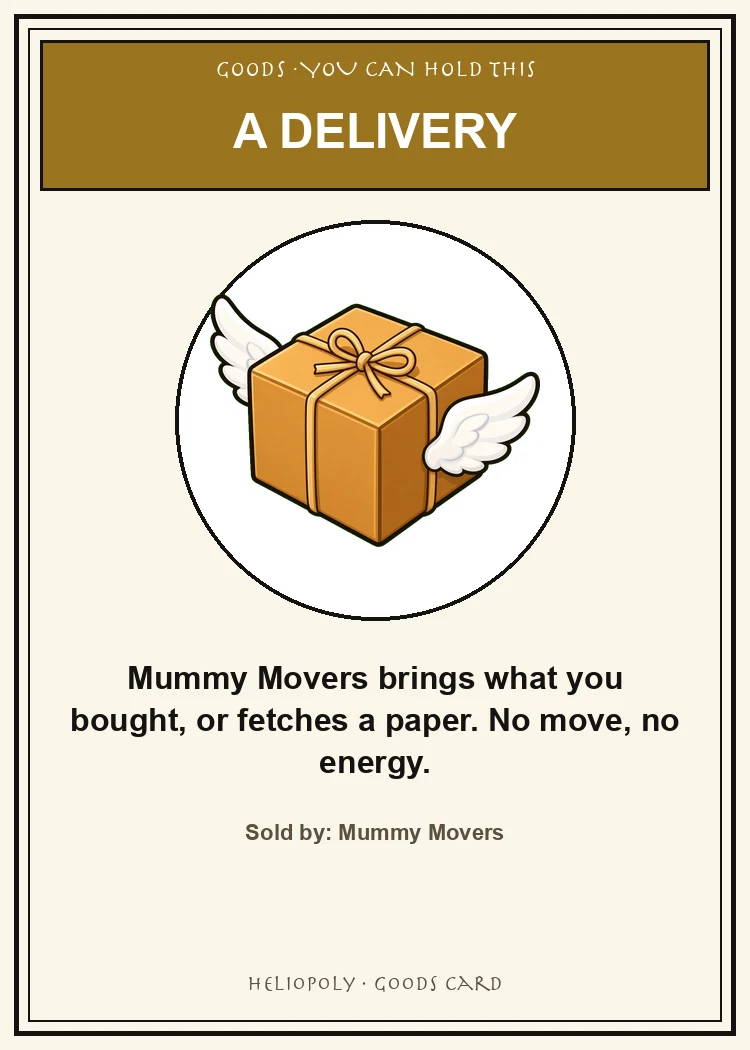
• Delivery: Mummy Movers brings what you bought, or fetches a paper; you spend no move and no energy.
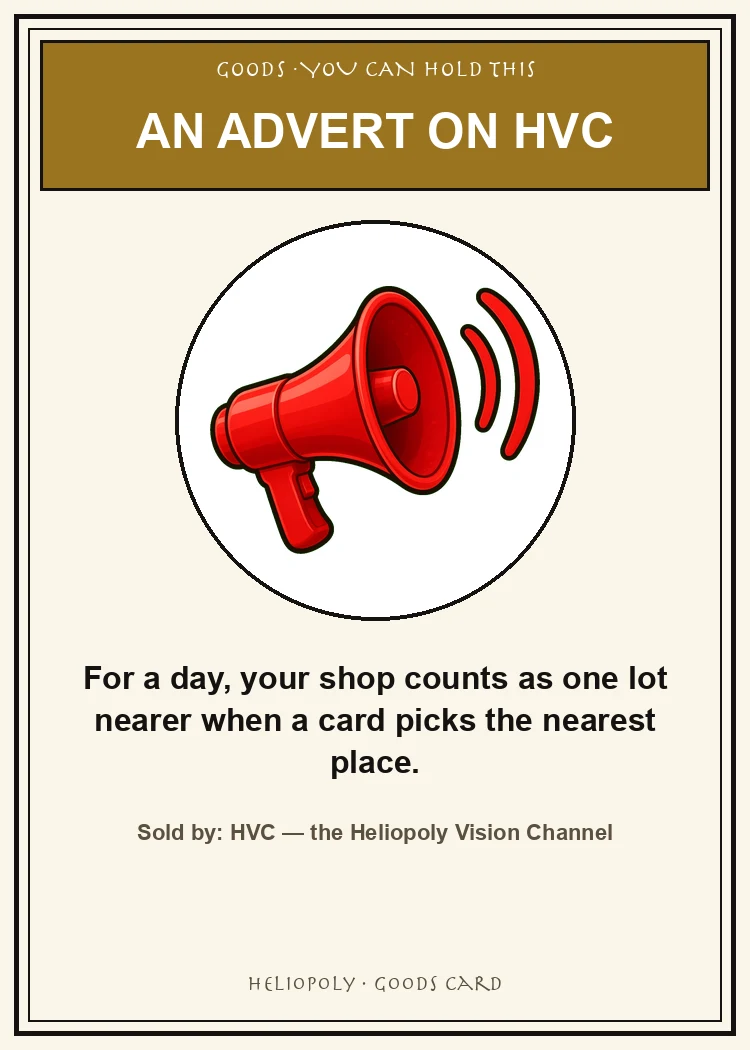
• An advert on HVC: for a day, your shop counts as one lot nearer when a card picks the nearest place.
• A loyalty card: sends its holder to that brand when a branch is within a few lots, and counts as a previous customer when the brand goes public.
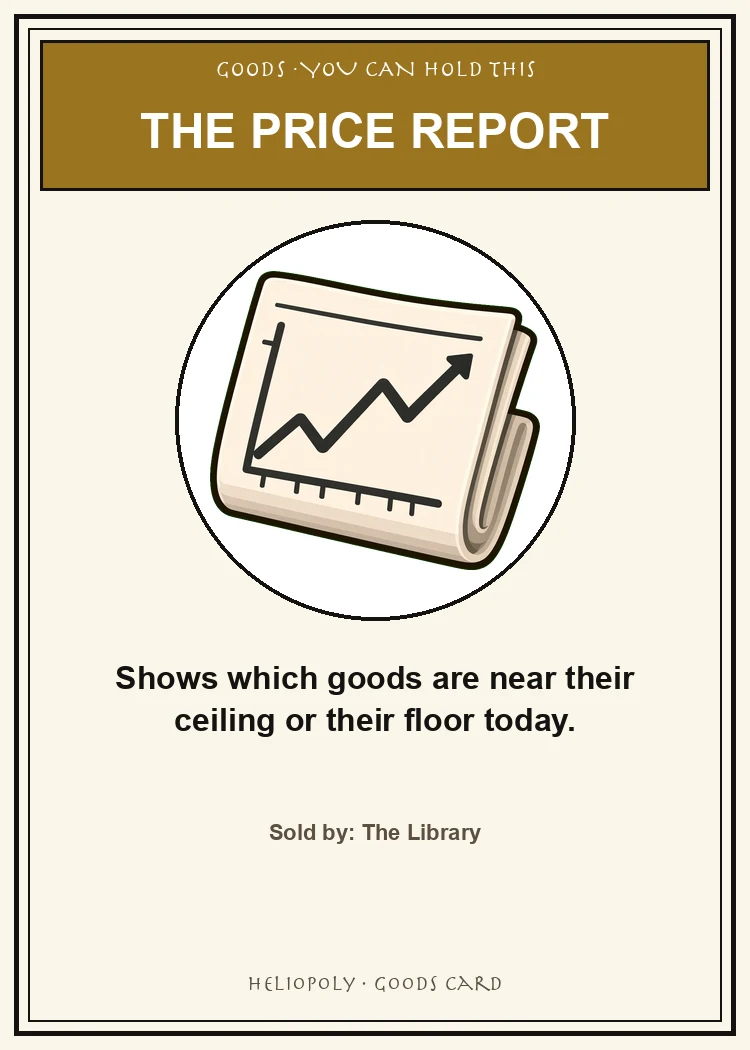
• The price report, at the Library: which goods are near their ceiling or their floor today.
• A strongbox: part of a business's stock can never be taken in a raid.
• A cold locker at Mummy's Attic: food kept in it does not go bad.
• Scratchcards at the 24 Seven: a small chance of a meal, a ticket or Helio moves.
How the economy works
That is our economy. Nothing comes out of thin air, and prices follow the people.
The Heliopoly newsletter
HVC is the city’s own channel. The newsletter brings it to you while you are away: what the Council just did, which official holds which card, what is running at Crypties, whose corner sold — and what is new to play. Joining makes you a Pioneer, with one account across every Gravitrek world. Leave whenever you like.