1 / 14

Making a move
How a move works

Now, how do you play? One move, one card, and nobody to wait for. Let me show you.
1 / 14
 the space city

How Heliopoly works · one section, step by step
One move, one card, and nobody to wait for. Let me take you through it, one step at a time.
This section
One step for each page of this section. Each step links to its full page.
Opens large and plays by itself, with the Mayor's voice: about 6 minutes. You can pause it or go at your own pace.
Making a move
Now, how do you play? One move, one card, and nobody to wait for. Let me show you.
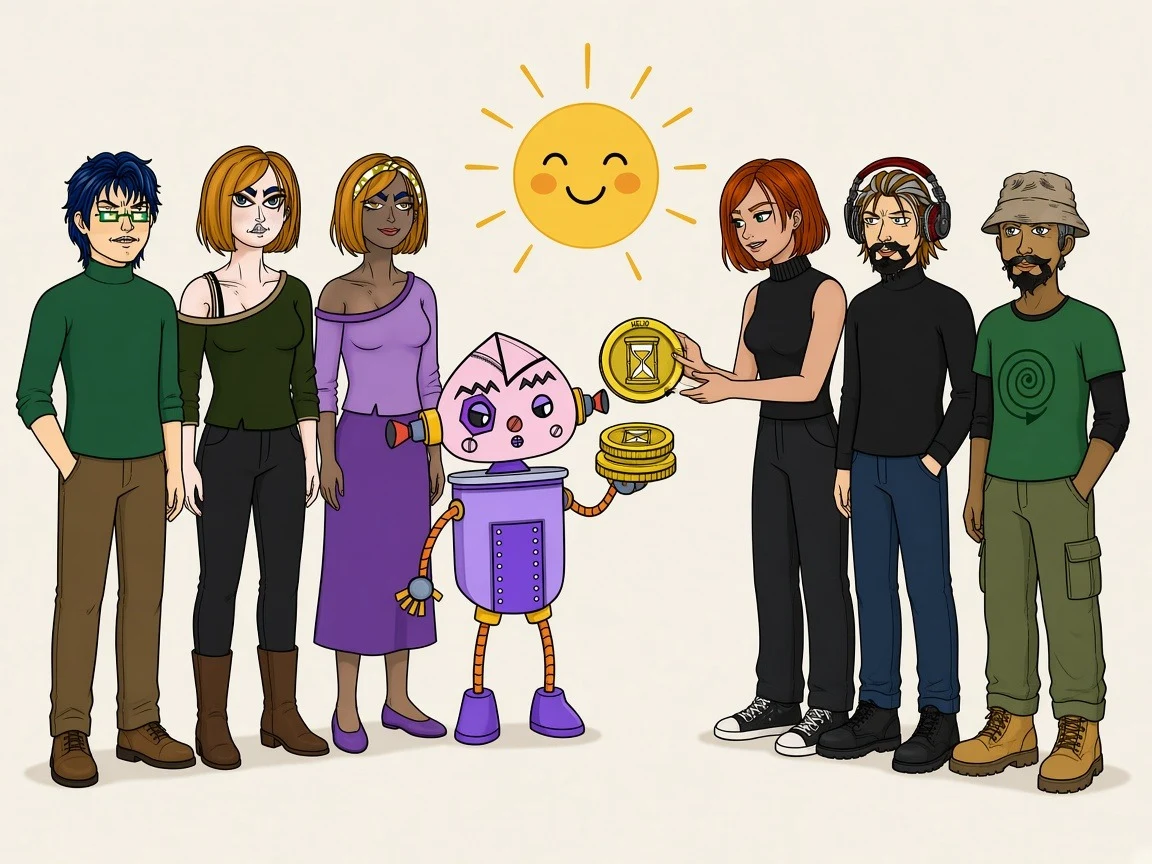
Making a move · 1 of 4
You are given Helio moves every day. Spending one is a move, and it draws a card. You never wait for anybody.
In short: Every day you get Helio moves. Each move comes with a card.

Making a move · 1 of 4 · in depth
This is the part that is not Monopoly. There is no turn order and no queue, because the people playing are in every time zone. You play when you are here and the city carries on when you are not.
One Helio move is one move, one card, and whatever the card decides. The card may send you somewhere you would never have chosen — which is the only way anyone ends up at CHOFILI, the prison, the hospital or Mr Helio's Treasure.
Walking is the other way to move, and it has nothing to do with Helio moves. YOU DO NOT NEED TO LAND ON A LOT TO BUY IT. You walk there, it costs energy measured from where you stand, and if you can afford it — or can buy it on credit — it is yours.
Making a move · 1 of 4 · the rules
• A few Helio moves are given every day, and more can be bought with Deben or Gravi, or sold if unused.
• One Helio move = one directed move = one card.
• Walking costs energy only, never Helio.
• Energy comes from eating anywhere, or from a Hapi drink (once in twenty-four hours).
Making a move · 2 of 4
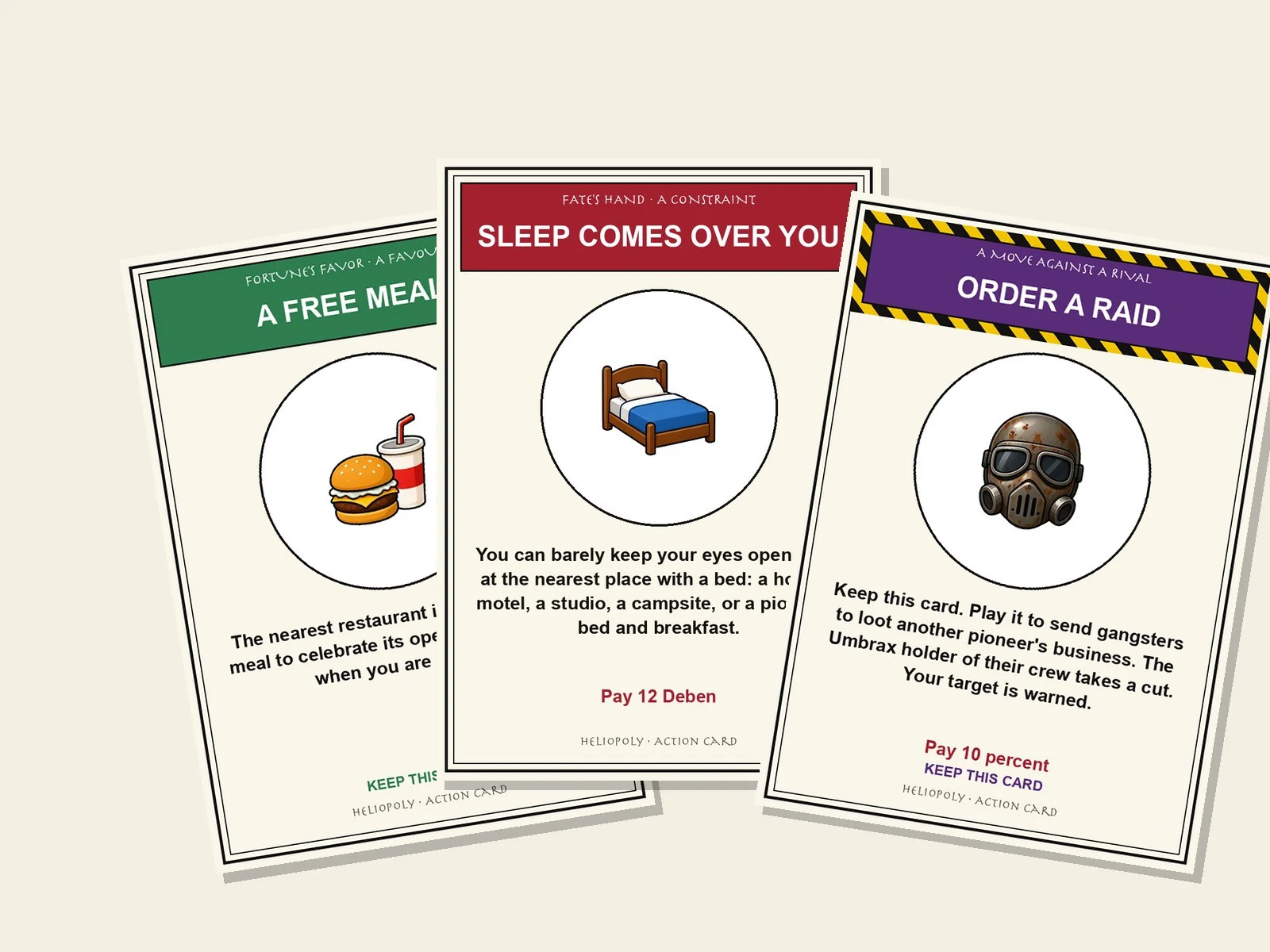
Fortune's Favor is the deck that helps. Fate's Hand is the other one. You spend the move before you find out which you drew.
In short: There are two piles of cards: one usually helps you, the other usually does not.
Making a move · 2 of 4 · in depth
Power here is not only money and plots, it is connections — and connections arrive as cards. The nine City Officials sit in Fortune's Favor, and drawing one hands you their privileges and their loopholes.
FATE'S HAND IS THE OTHER DECK: penalties, setbacks, and occasionally something better than either. Nothing warns you which one you are drawing from.
A card resolves the moment it turns over. There is nothing to hold it for and nothing to play it on — which is why a move in this city takes a second and can still ruin your week.
Making a move · 2 of 4 · the rules
• One Helio move, one card, resolved immediately.
• The nine offices sit in Fortune's Favor and can be drawn away from whoever is holding them.
• No card can be refused, traded away mid-draw or held back.
Making a move · 3 of 4
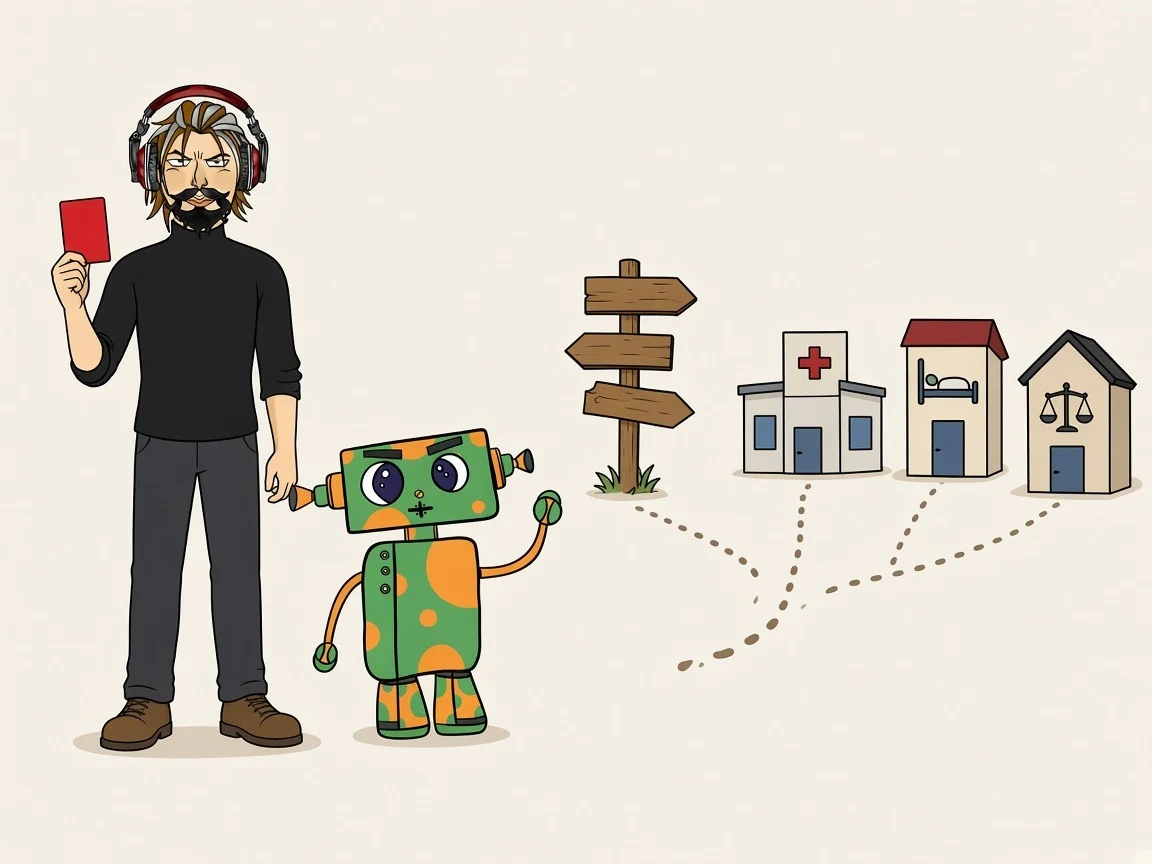
Draw your card first, then make your move. A red card sends you to the nearest place that does what it asks, and that walk is your move. A green card never moves you.
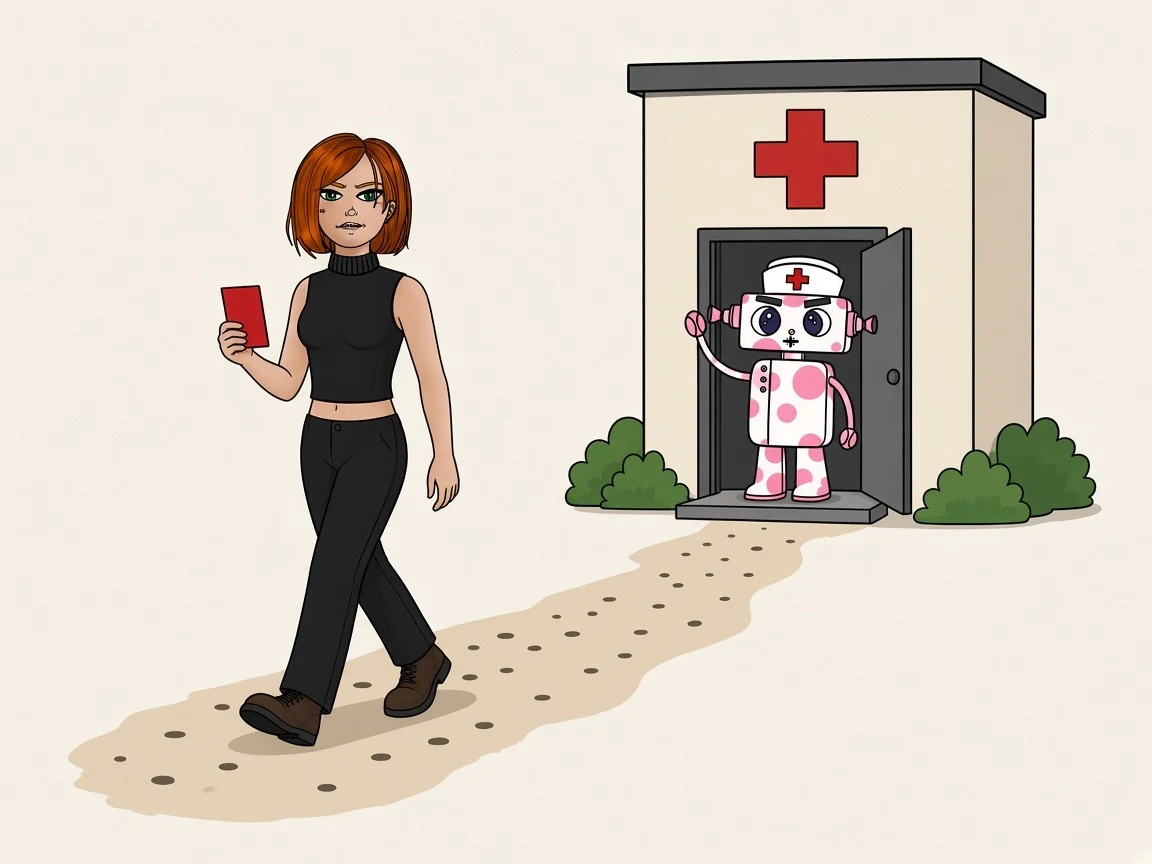
In short: A green card is good news: you win something and stay where you are. A red card sends you to the nearest place that can help, and you walk there. A few places, like the prison and the hospital, you only ever reach because a card sends you.
Making a move · 3 of 4 · in depth
Red cards send a pioneer to the nearest place that offers what the card needs: a lawyer, a meal, a bed. That place is paid, and the walk there is the pioneer's move for that turn.
Green cards are wins. They give something and never move anyone.
Four addresses are different. The Prison, the Hospital, CHOFILI and Mr Helio's Treasure are not businesses and are not for sale, and walking up to them on your own achieves nothing. Only a card puts you there.
Making a move · 3 of 4 · the rules
• Draw the card, then decide the move.
• Red: walk to the nearest place that offers what the card needs; that walk is your move.
• Green: you win, you pay nothing, and you stay where you are.
• The Prison, the Hospital, CHOFILI and Mr Helio's Treasure: reached only by a card.
• Whoever holds Rory Kickback's card, or the Mayor's, cannot be sent to jail.
Making a move · 4 of 4
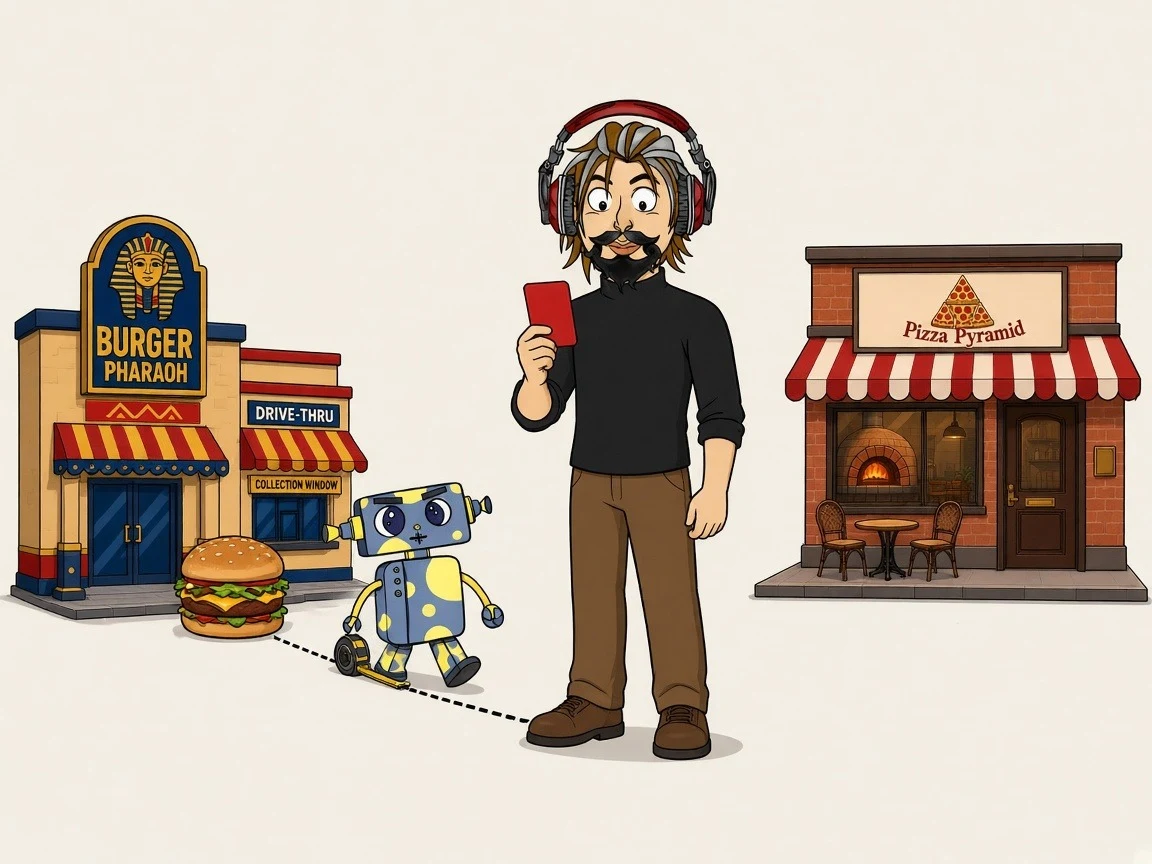
A card never names an address. It names what you need: a lawyer, protection, a meal, a bed. You go to the nearest place that offers it, and that place is the one paid. The city keeps one of its own for most things. But if a pioneer's business of the same kind stands nearer to you than the city's, the pioneer's business gets you. In this city even the police can be franchised. That is my promise to every builder: build where people are, and the cards bring you customers. You do not chase them.
In short: When a card says you need something, you go to the closest place that has it, so a shop built near people gets lots of visitors.
Making a move · 4 of 4 · in depth
Whenever the board sends a pioneer to a service — they need a lawyer, police protection, or must pay something — the pioneer goes to the NEAREST place that offers it, and that place is paid. Distance is measured from wherever the pioneer is standing.
The city keeps one of its own institutions: one police station, one court, and so on. If a pioneer’s franchise of the same service stands nearer than the city’s own, the pioneer’s franchise gets the pioneer, and the fee. The city’s police station stays the city’s; a pioneer’s security business standing nearer takes the work.
This is what makes professions and franchises possible at all, and it is the guarantee behind building: a pioneer who builds a business that offers a service is sent the customers whose cards ask for that service and who stand nearer to it than to anything else offering the same.
Every building type, business and profession has its own conditions (permits, licences, diplomas, staffing and the like).
Making a move · 4 of 4 · the rules
• A card names a kind of service, not an address.
• The pioneer goes to the nearest place that offers it, measured from where they stand, and that place is paid.
• A pioneer’s business nearer than the city’s own gets the customer and the fee.
• The city’s own institutions stay the city’s; the law office is a franchise.
Making a move
That is how a move works. One Helio move, one card, and off you go.
The Heliopoly newsletter
HVC is the city’s own channel. The newsletter brings it to you while you are away: what the Council just did, which official holds which card, what is running at Crypties, whose corner sold — and what is new to play. Joining makes you a Pioneer, with one account across every Gravitrek world. Leave whenever you like.