1 / 32

The room
The room

You are not alone here. Come and see how pioneers sell, what the slate is, what the channel says, and the cards that change it all.
1 / 32
 the space city

How Heliopoly works · one section, step by step
Selling, the slate, the channel, and the cards that change it all. Let me take you through it, one step at a time.
This section
One step for each page of this section. Each step links to its full page.
Opens large and plays by itself, with the Mayor's voice: about 14 minutes. You can pause it or go at your own pace.
The room
You are not alone here. Come and see how pioneers sell, what the slate is, what the channel says, and the cards that change it all.
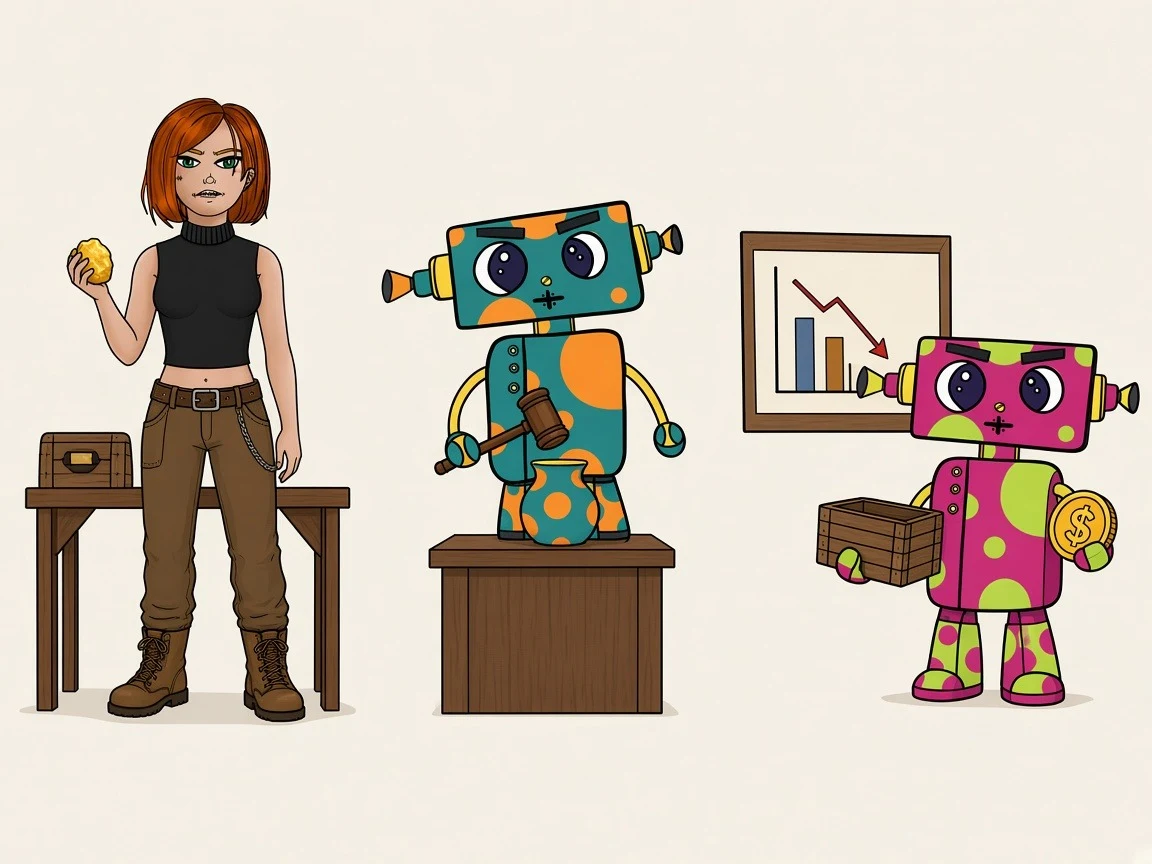
The room · 1 of 10
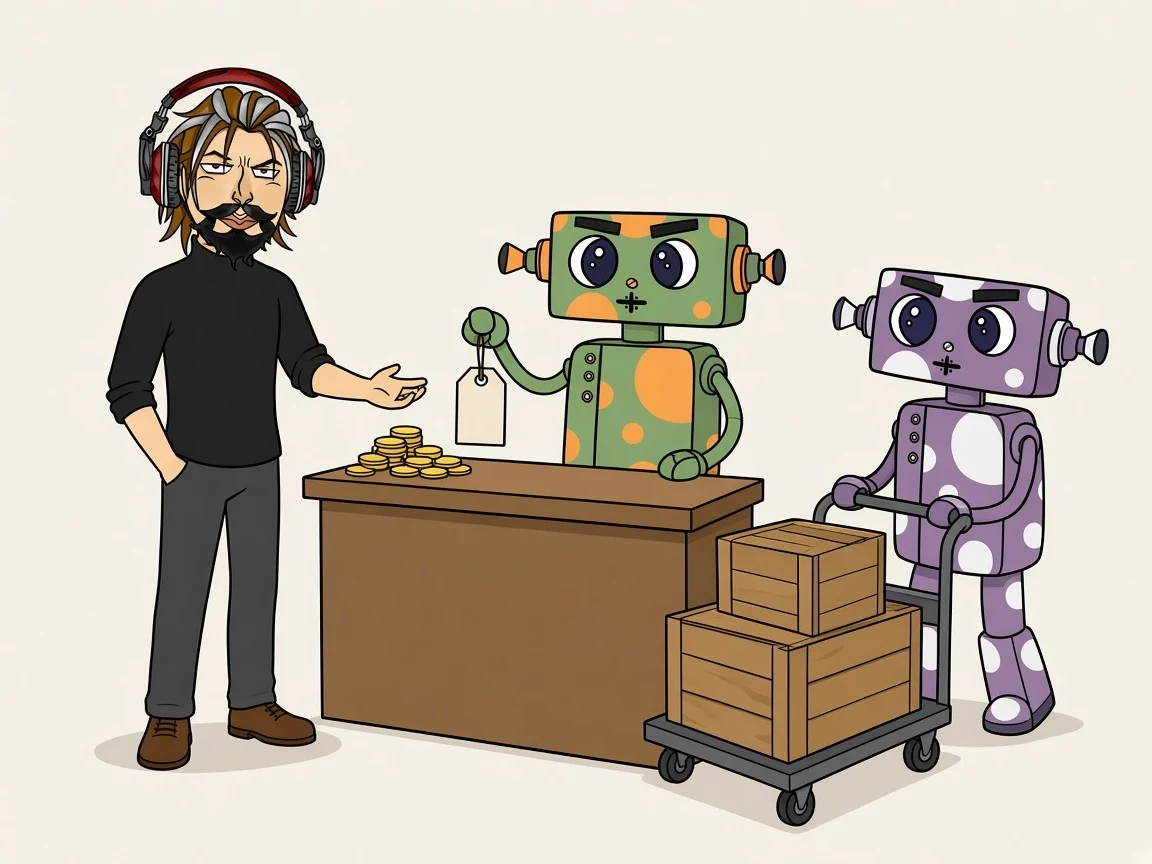
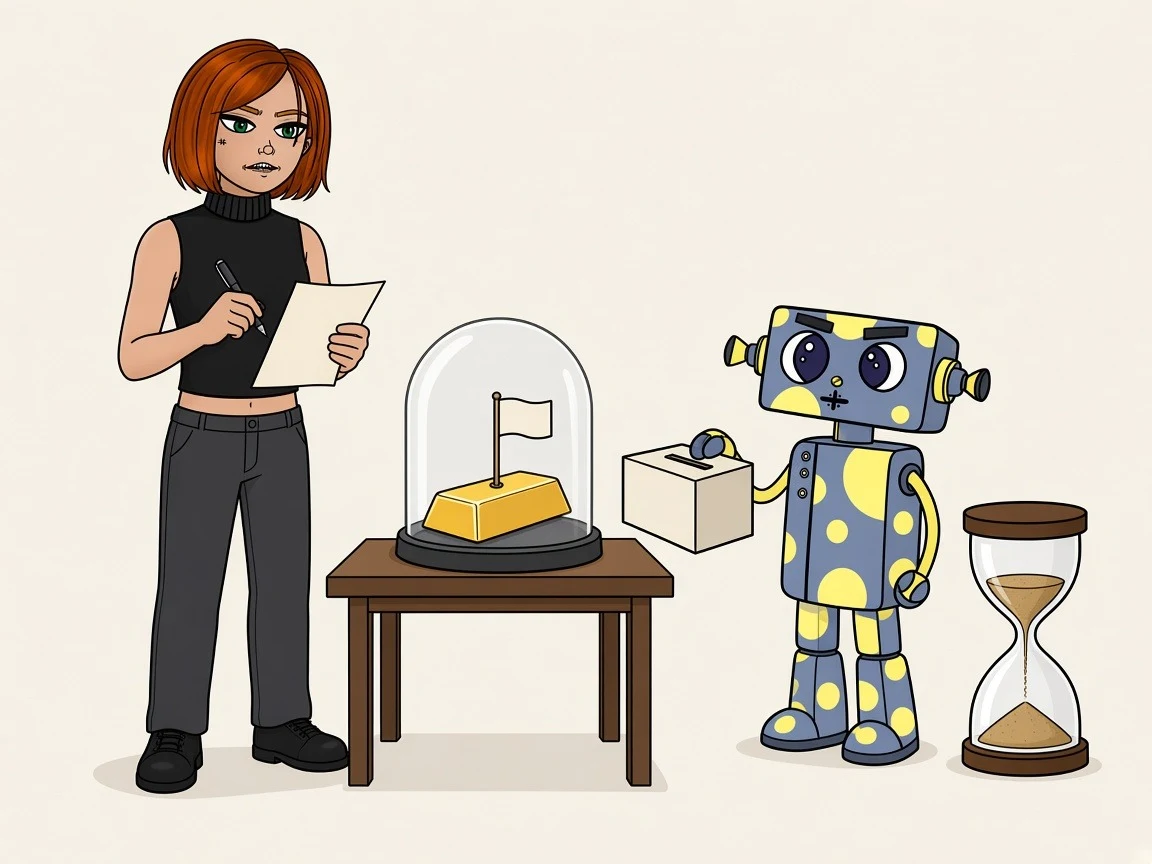
List it yourself, send it to auction, or take what the counter offers. Slowest pays best.
In short: You can sell things yourself, at the auction, or straight away at the counter.
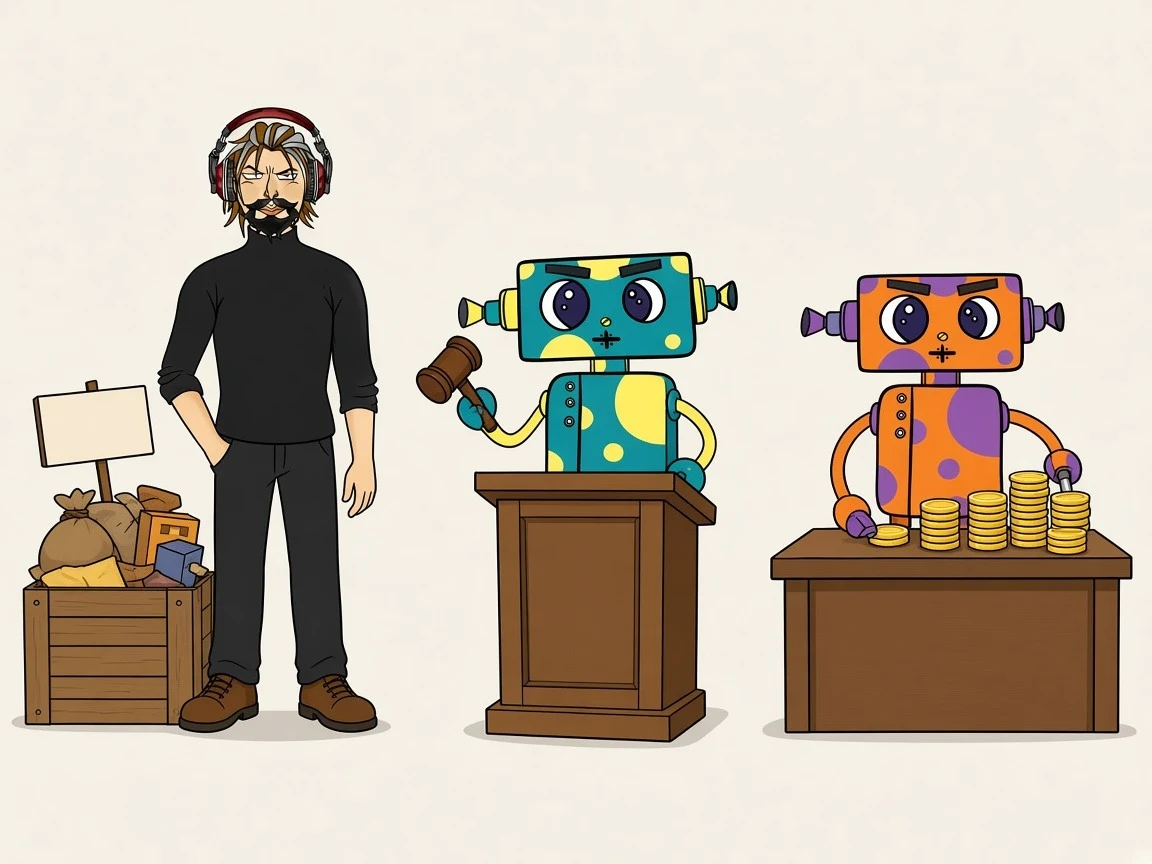
The room · 1 of 10 · in depth
Everything a pioneer holds can change hands: material, crops and seed, air rights, land, business shares, cards, packs and permits.
An ad of your own stands until somebody takes it. CRYPTIES gives the room six hours against a reserve and may go a third over, or fail. The counter — Helioswap for material, the bank for land at half — is instant, certain, and the worst price of the three.
FOUR PLACES, FOUR WAYS TO SET A PRICE. On the MARKETPLACE you can haggle. HELIOSWAP does not haggle: one clean price, and a business can be set to auto-buy there at margins it can predict. At CRYPTIES you state your best offer and the highest wins. And there is THE NEXUS — the unofficial market, on Catelonia, with a building here — where gangs are hired and stolen goods are listed. A pioneer goes to the cheapest unless a card sends them elsewhere; sellers price by what is plentiful and what is missing. Every trade is audited by Omnibis.
The room · 1 of 10 · the rules
• Crypties: reserve, six hours, commission.
• The bank buys land at half and sells at eight tenths.
• A slate can itself be auctioned; the deed never moves.
• Marketplace: haggle. Helioswap: no haggling; a business may auto-buy at set margins. Crypties: best offer wins. The Nexus: unofficial.
The room · 2 of 10
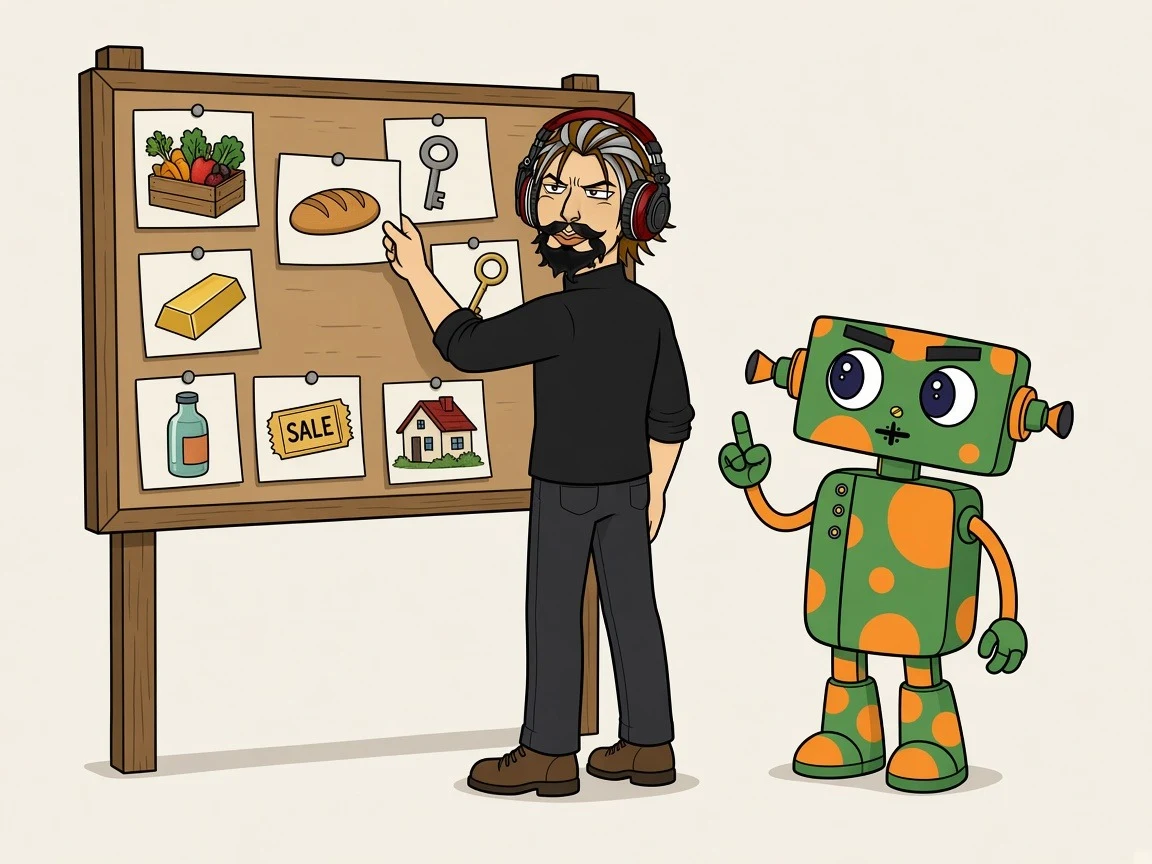
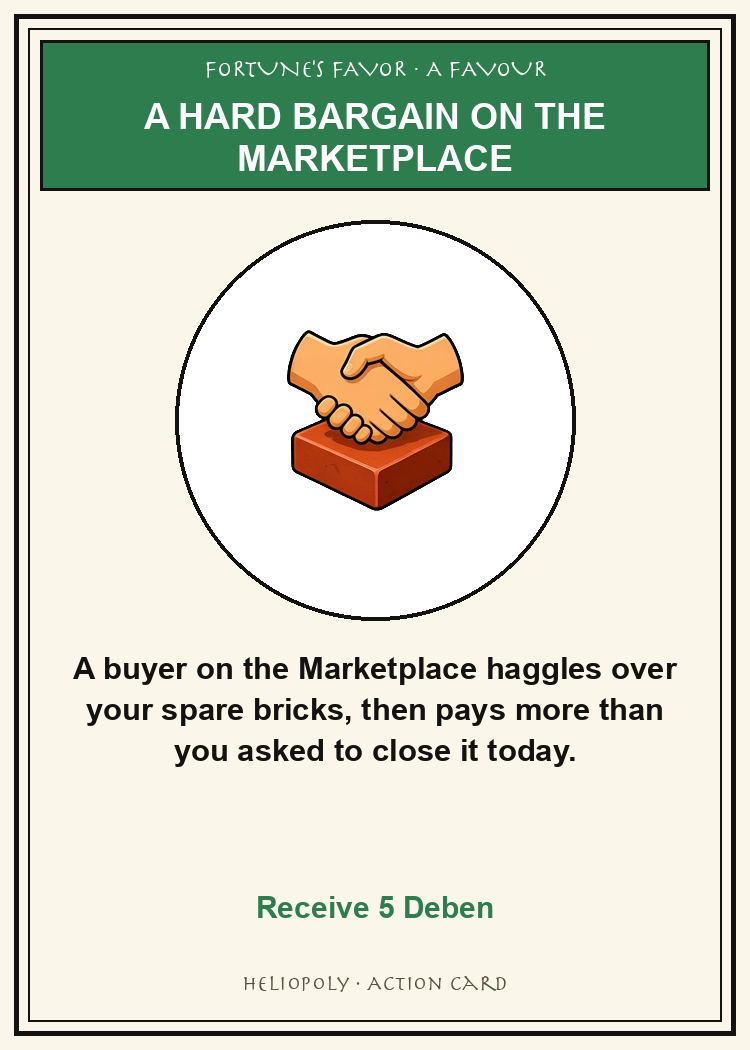
List it quietly at your own price, and wait. An ad of your own stands until somebody takes it. And here, unlike anywhere else, you may haggle.
In short: The Marketplace is a board where pioneers list things for sale, and you can haggle over the price.
The room · 2 of 10 · in depth
The Marketplace is a classified bulletin board: pioneers listing things at a price. Over-the-counter (OTC) deals happen here too: two pioneers agree a price between them, and the system handles the escrow. Everything a pioneer holds can be listed: material, crops and seed, air rights, land, business shares, cards, packs and permits, and Helio moves you have not used.
IT IS THE SAME LISTING ON EVERY WORLD OF THE SYSTEM, in the same format. It is not a building, and it borrows nothing from this city's rules. HVC is the loud end of it: a seller who pays to be on the channel reaches the whole city at once.
The room · 2 of 10 · the rules
• It is a classified board. Over-the-counter deals between two pioneers happen here too, and the system handles the escrow.
• The Marketplace is where you can haggle.
• An ad of your own stands until somebody takes it.
• Helio moves, air rights and anything found in a dig may be listed.
• Every trade is audited by Omnibis.
The room · 3 of 10
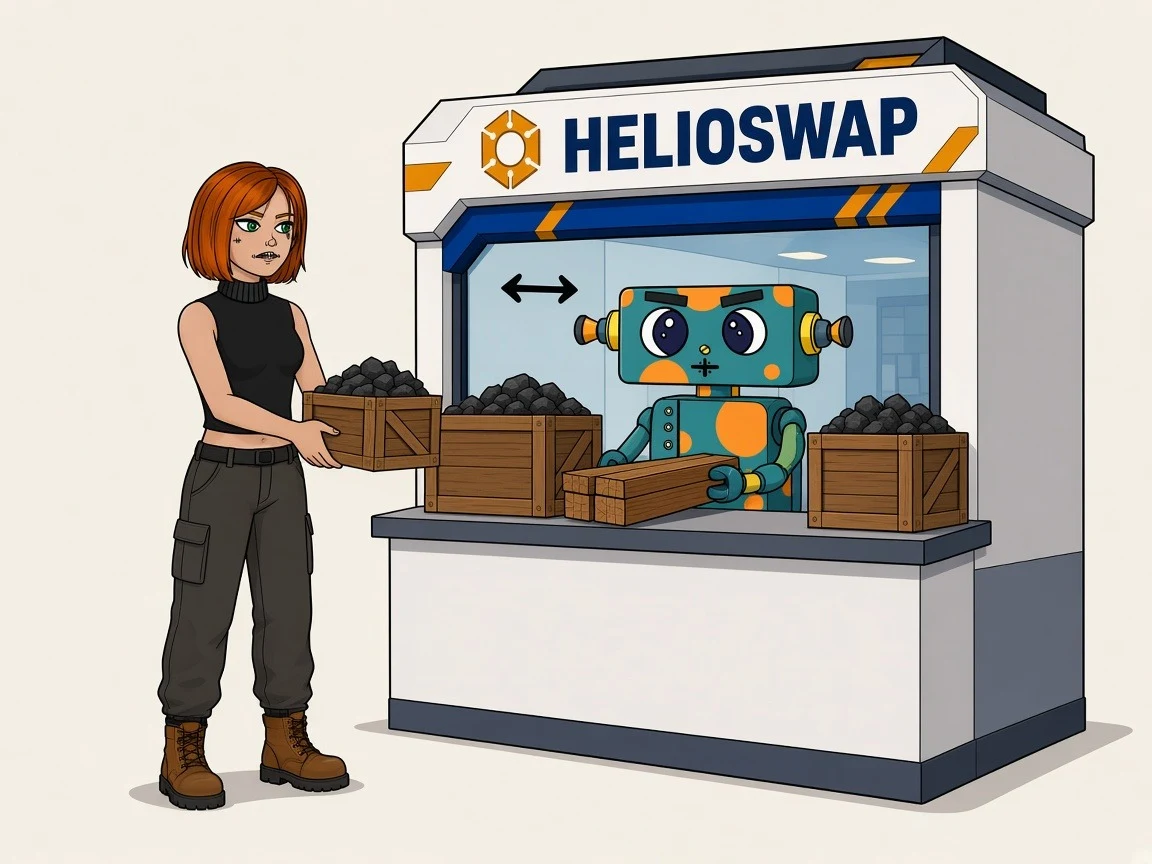
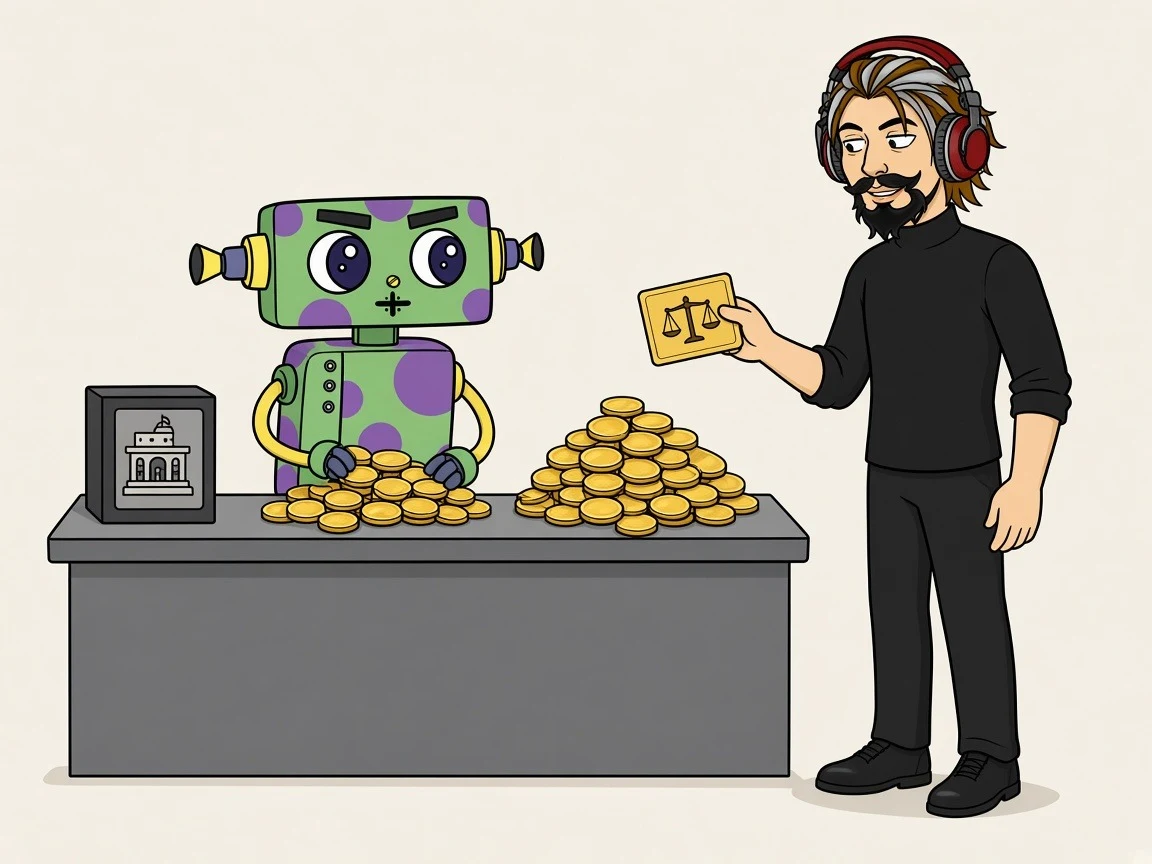
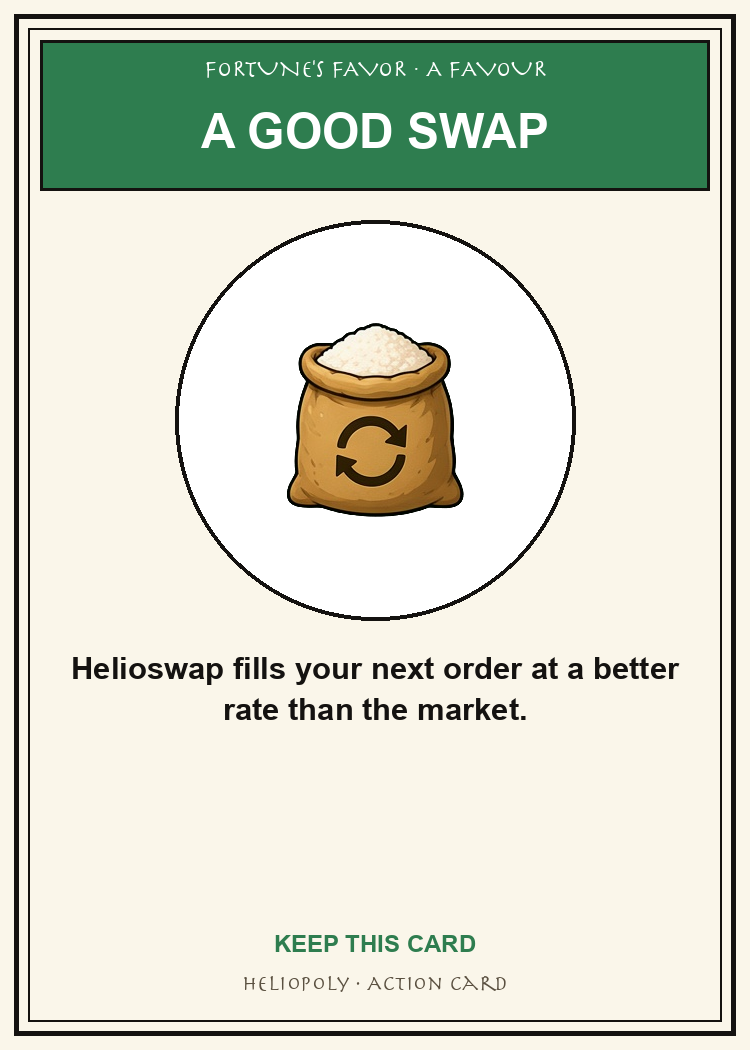
Helioswap does not haggle. One clean price, paid at once. It is quick and it is certain, and that is what you pay for.
In short: Helioswap is the city's exchange. It gives one clean price and never haggles.
The room · 3 of 10 · in depth
Helioswap is the city's own exchange floor: three of anything for one of anything else. For material it is the counter: instant, certain, and the lowest price of the three ways to sell.
A BUSINESS CAN BE SET TO AUTO-BUY HERE at margins it can predict, so its robot restocks without the owner. A pioneer can also buy by hand.
The room · 3 of 10 · the rules
• No haggling: one clean price.
• Three of anything for one of anything else.
• A business may auto-buy at set margins; a pioneer may buy by hand.
• Every trade is audited by Omnibis.
The room · 4 of 10
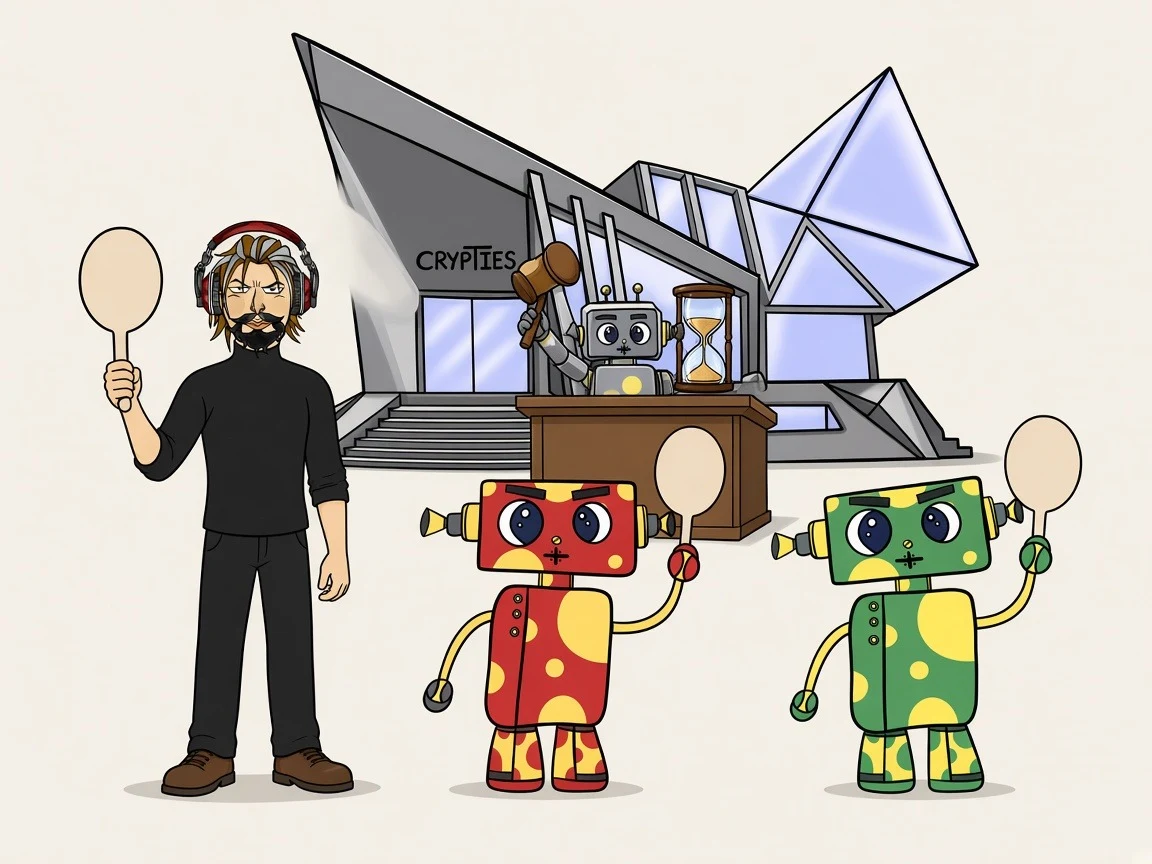
At Crypties you state your best offer, and the highest wins. A reserve, six hours, and now and then a very nice surprise.
In short: Crypties is the auction house. You state your best offer, and the highest wins.
The room · 4 of 10 · in depth
Crypties Auction House belongs to the city. A lot is given six hours against a reserve; it may go a third over, or fail.
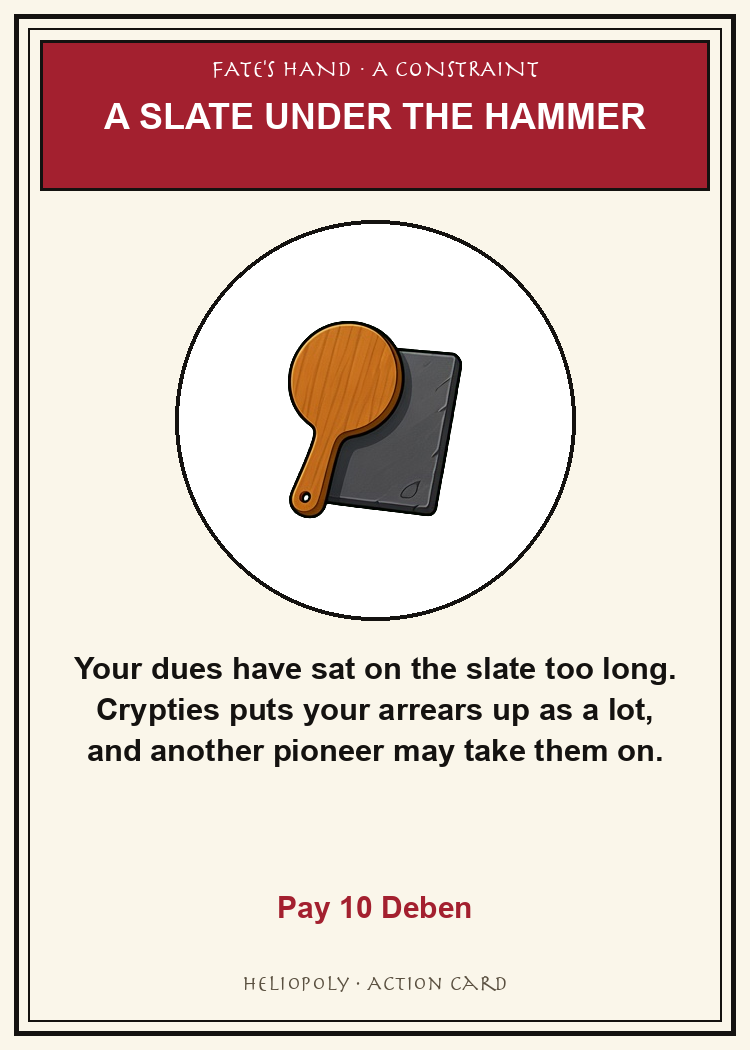
IT IS ALSO WHERE DEBTS AND FORGOTTEN THINGS GO UNDER THE HAMMER. A pioneer may sell here to clear a slate. Other people's arrears are auctioned here. And a Mummy's Attic locker with five missed payments is sold here blind.
The room · 4 of 10 · the rules
• Reserve, six hours, commission.
• You state your best offer; the highest wins.
• A slate can itself be auctioned; the deed never moves.
• A locker is auctioned unopened.
The room · 5 of 10
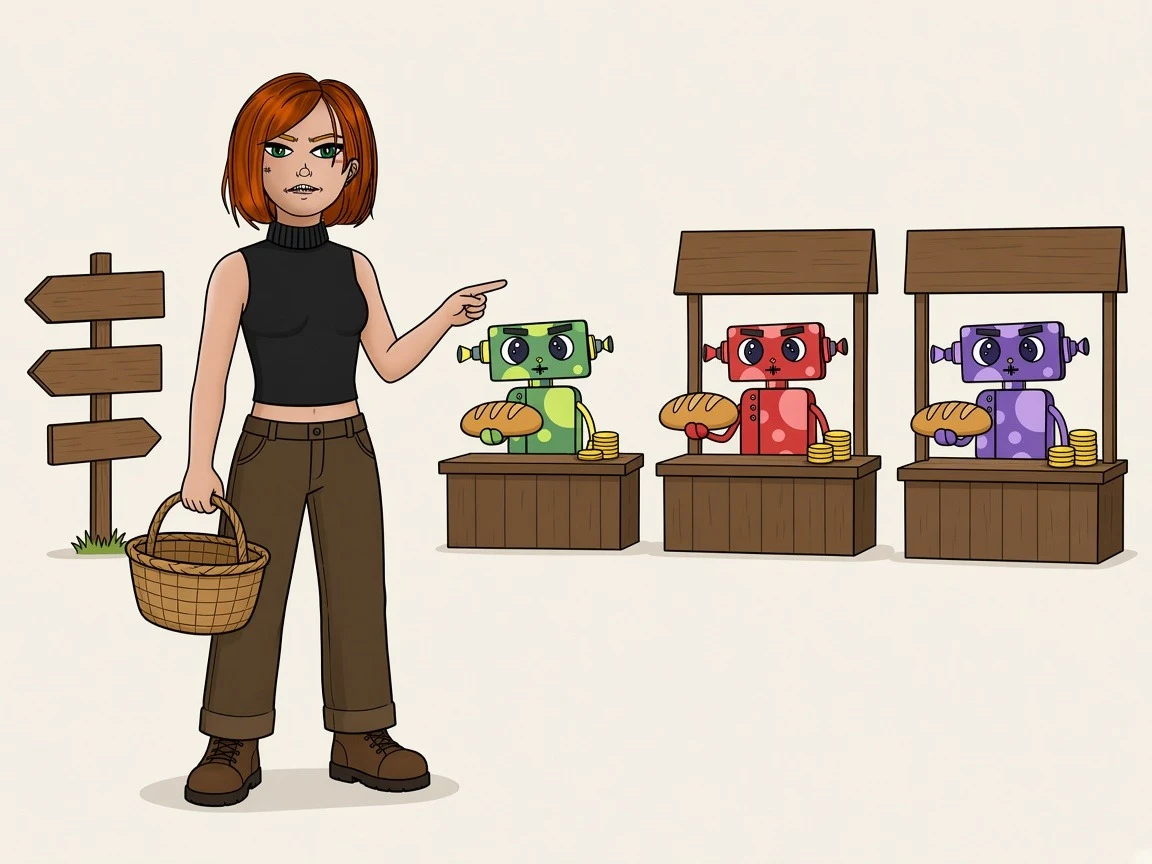
A card may send you to the nearest place. But when you buy because you want to, the choice is yours. Look around: the cheapest may be a little further away.
In short: When no card forces you, you buy wherever it is cheapest, and sellers set their prices by what is plentiful and what is missing.
The room · 5 of 10 · in depth
There are four markets and four ways to set a price. On the Marketplace you haggle. Helioswap gives one clean price. At Crypties the best offer wins. The Nexus is the unofficial market, where stolen goods turn up on the listing.
A PIONEER PICKS THE CHEAPEST PLACE UNLESS A CARD FORCES THEM, and so may travel further. Sellers adjust their prices to what is abundant and what is missing, and may have no competition at all. Two pioneers may also simply swap what each has earned.
The room · 5 of 10 · the rules
• A card sends you to the nearest place; a purchase of your own goes wherever you choose.
• Slowest pays best: your own ad, then the auction, then the counter.
• The bank buys land at half and sells at eight tenths.
• All of it is audited by Omnibis.
The room · 6 of 10
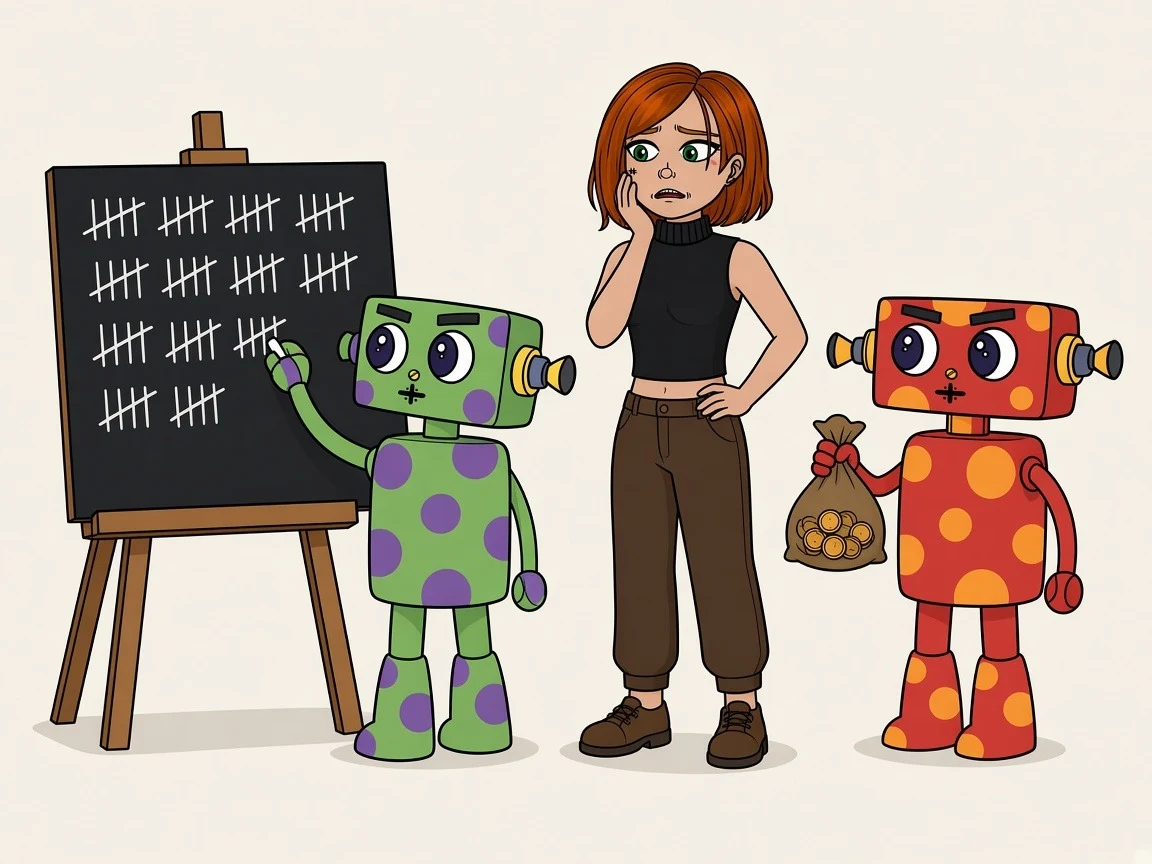
Nothing is ever seized for dues. Which is exactly why your debt is worth money to somebody else.
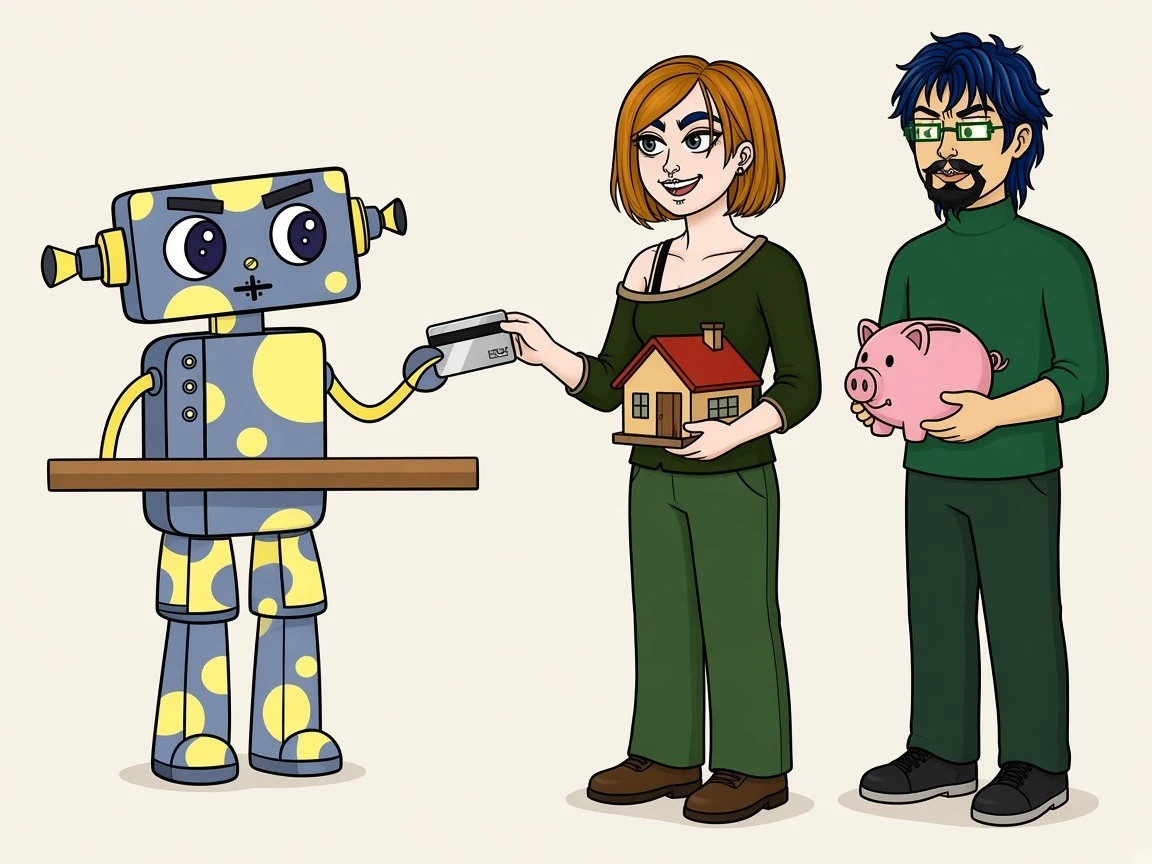
In short: The city never takes your things for unpaid dues, but somebody else can buy your debt.
The room · 6 of 10 · in depth
Unsettled, a demand goes on THE SLATE and is charged again the week after. Left long enough it will take all of a season's earnings and start on the next. It will never take the land.
So a slate is itself a lot. ANOTHER PIONEER MAY BUY THE DEBT. They pay the bank everything that was owed, so the bank is settled. The owner then owes the buyer double. The buyer takes a quarter of all the owner's income until they have recovered double what they paid; the other three quarters stay with the owner, so there is always money left to play with. The deeds do not change hands, and until the debt is cleared the owner cannot sell businesses or land, so they keep earning. Anything else may be sold, and the buyer takes a quarter of that too. The owner may also clear it early by paying the buyer whatever is still outstanding of the doubled amount, and is then free to sell businesses and land again.
Which is why absence has a price after all. Go away long enough and you do not lose the corner — you come back to find the corner has been earning for somebody else.
The room · 6 of 10 · the rules
• Nothing is ever seized for dues. The rule has no exception.
• Whoever buys a debt pays the bank all that was owed. The owner then owes the buyer double.
• The buyer takes 25% of the owner's income until double what they paid has come back. The owner keeps the other 75%.
• Until then the owner cannot sell businesses or land. Anything else may be sold.
• The 25% applies to any income of any kind, including what such a sale brings.
• The owner may clear the debt early, at any time, by paying the buyer whatever is still outstanding. Their businesses and land are then free to sell again.
• Paying early brings no discount: the debt stays double.
• You may always clear a slate by selling something yourself, and it stays your decision.
• While the slate runs, the city sells you no more land.
The room · 7 of 10
A street-corner studio with the city in the window behind the desk. Everything else here is bought for what it does; airtime is bought to be seen.
In short: HVC is the city's own television channel, and you can pay to be on it.
The room · 7 of 10 · in depth
What the council just did, which official holds which card, what is running at Crypties and how long is left, whose corner sold, who came into money and WHO IS ON THE SLATE. The city has no privacy about debt and never pretended to.
A sponsor takes a programme: the boards either side of the set, the presenter saying your name going in and coming out, your pioneer standing in the studio for the length of the slot, and one holding of yours on the turntable.
IT BUYS NOTHING BUT ATTENTION. No discount, no reduction in dues or tax, no advantage in any auction, no earlier sight of any card. Which is why airtime can be sold for real money without the game becoming pay-to-win.

The room · 7 of 10 · the rules
• Airtime is sold by the Treasurer, who also presents the programme.
• A sponsor's holding is not for sale while it is on the turntable. It is just being looked at.
• A sponsor who stops paying stops being on. That is the whole deal.
The room · 8 of 10
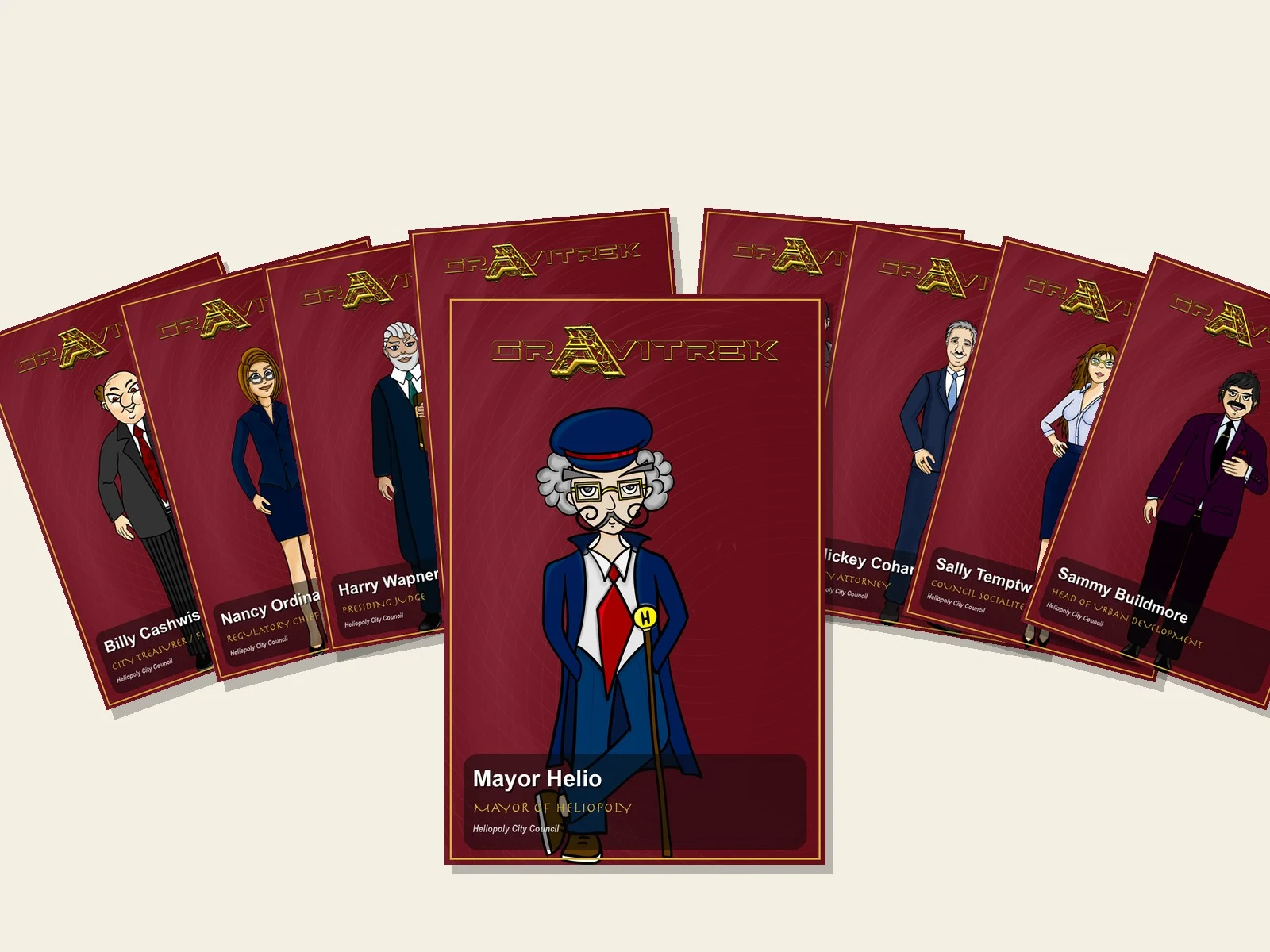
Nine offices sit in one deck. Hold an official and you hold their powers, until somebody draws them away.
In short: Draw an official's card and you get their powers, until somebody else draws it.
The room · 8 of 10 · in depth
They are the only cards taken from you without warning. The moment another settler draws the same official, every advantage transfers — no notice, no appeal. Loyalty here is as stable as quicksand.
Others are carried in from elsewhere in the system, which is the argument for playing the rest of it: what you win there is worth money HERE.
The room · 8 of 10 · the rules
• Each office: one standing advantage and three one-use cards.
• They last exactly as long as you hold the card.
• The sixteen Umbrax leaders are held the same way: hold one and its advantages are yours until somebody else draws it.
The room · 9 of 10
Holding one of us is not only about powers. Every office takes its cut, and the cut goes to whoever holds the card. It is one of the best things in the game.
In short: If you hold an official's card, you get a share of the money that office collects.
The room · 9 of 10 · in depth
Every fine, fee and bail the city collects is shared. The city keeps part; the rest goes to the holder of the card of the official it belongs to. It is paid out of the city's own share, so nobody pays more.
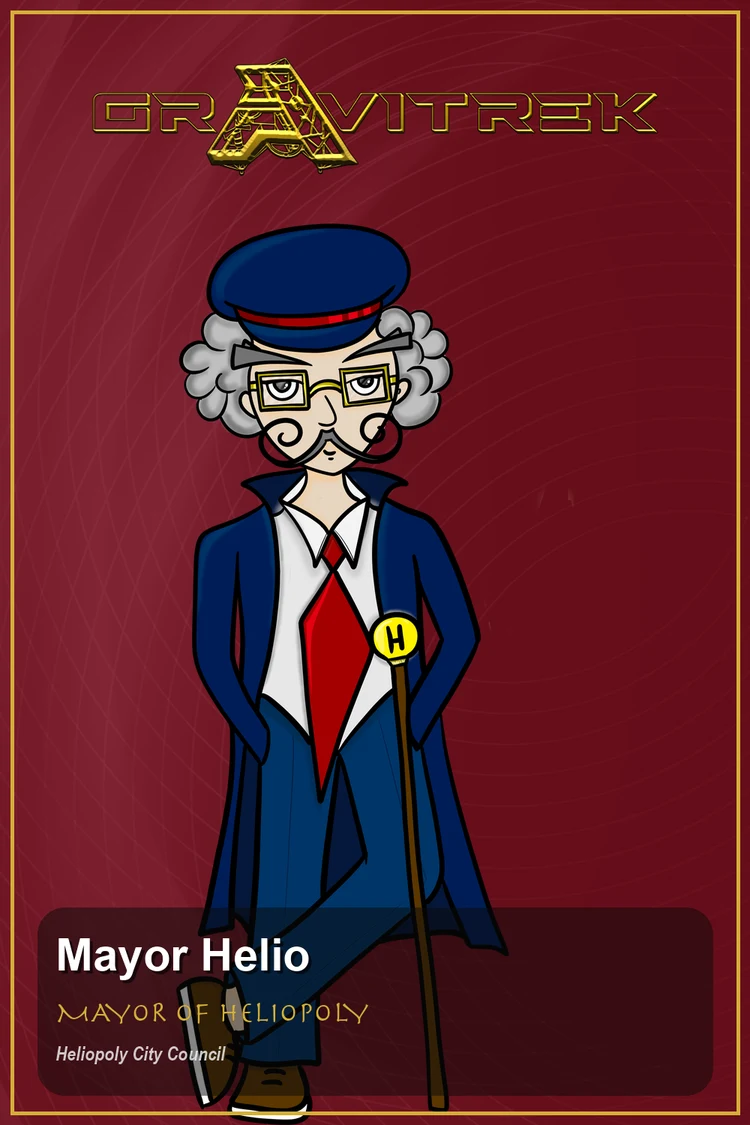
THE MAYOR takes a tenth of everything the city collects, tax excepted, because he already has Mr Helio's Treasure.
The room · 9 of 10 · the rules
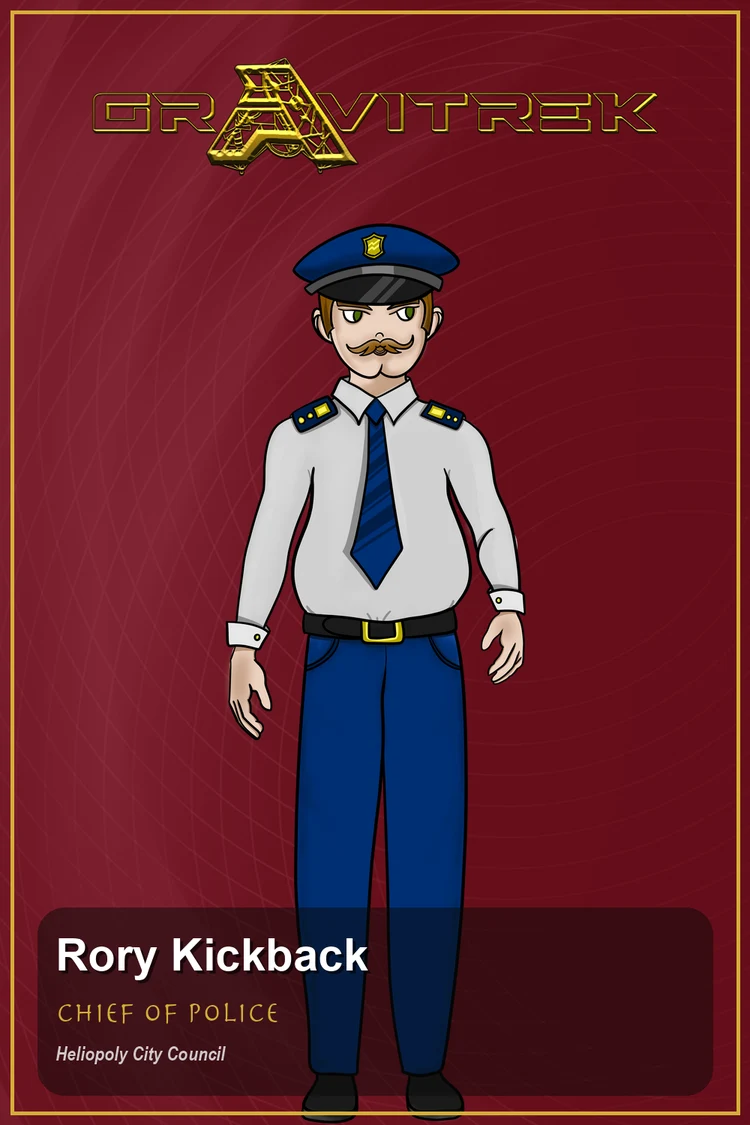
• Law matters (bail, court fines, legal penalties): city 50%, the Judge's card 20%, the Police Chief's card 20%, the City Attorney's card 10%.
• Every other fine: half to the city, half to the one holder of that office's card: police fines to Rory Kickback's, tax fines to Tommy Twofold's, permit and licence fines to Nancy Ordinance's, building fines to Sammy Buildmore's.
• Immigration (visa renewals, residency filings, no-visa fines): city 50%, the Mayor's card 20%, the Police Chief's 15%, the Judge's 15%. Half of each residency paper's fee goes to its own official's holder.
• Billy Cashwise: 20% of every credit charge and of the city's bank and vault income.
• Harry Wapner: half of every Courthouse fee; 20% of the city's fee when a debt or a locker is auctioned.
• Mickey Cohan: 10% of every lawyer's fee; 10% of the city's fee on every franchise opening.
• Nancy Ordinance: 20% of every business licence and certificate fee; half of the fines from her inquiries.
• Rory Kickback: 20% of the city's half of every guard card; half of all S.X the police confiscate; half of every police paper fee. Whoever holds his card cannot be sent to jail.
• Sally Temptwell: 20% of entertainment and broadcast licence fees; 20% of tickets at the city's own venues; 5% of the city's proceeds when a brand goes public.
• Sammy Buildmore: 20% of every digging, building and demolition permit fee; 5% of every lot and air right the city sells.
• Tommy Twofold: 5% of all tax collected.
• A share nobody holds stays with the city.
The room · 10 of 10
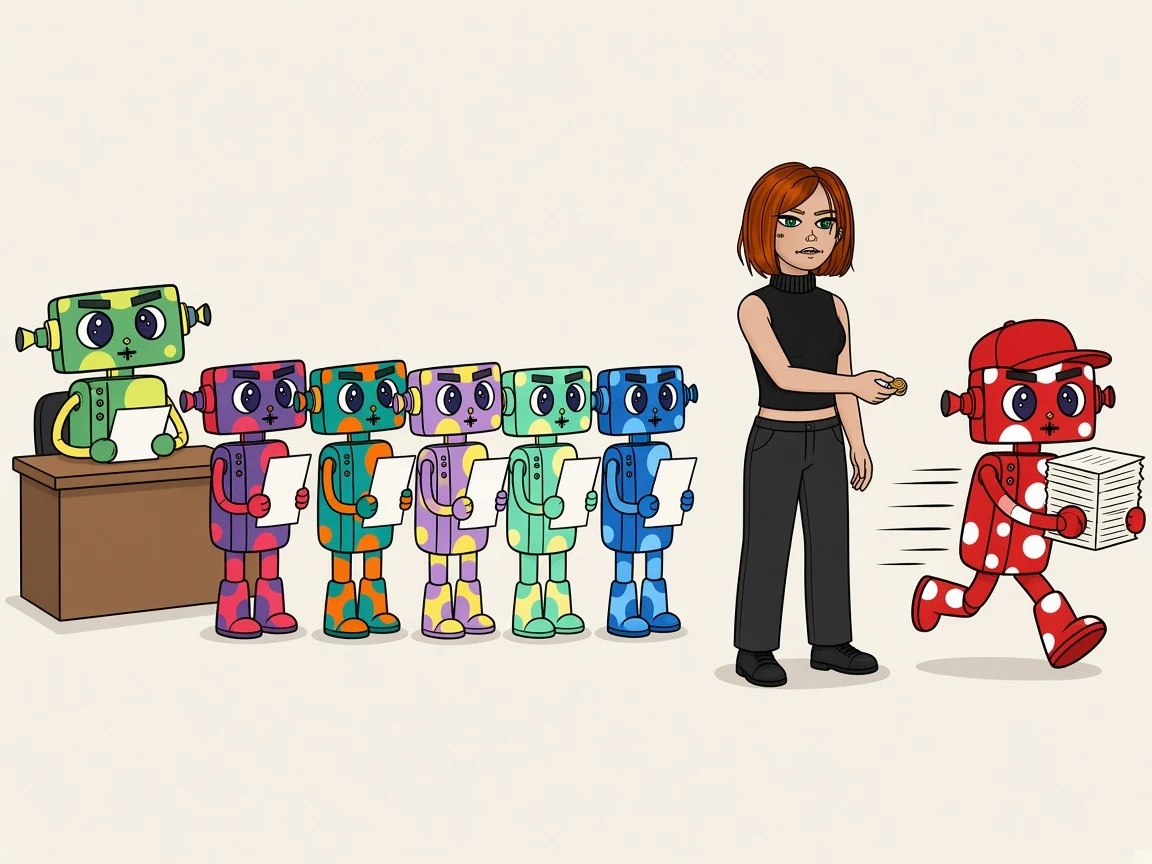
There is a word in this city for the person you pay to walk your paperwork to the front of the queue. The Expeditor sells exactly that, and nothing else.
In short: The Expeditor is somebody you pay to get your paperwork done faster.
The room · 10 of 10 · in depth
EVERYTHING HERE CAN ALSO BE EARNED. Every single thing. Buying it only ever saves you the time it would have taken — it does not buy you anything another pioneer cannot reach by playing.
So the shop sells material you could have mined, energy you could have eaten, a fee you could have saved for, and a permit you were going to get anyway, sooner.
AND THERE IS A LIST IT WILL NOT SELL YOU, which is the more important half.
The room · 10 of 10 · the rules
• The game is free. Nothing in it is behind a payment.
• Gravi is the currency you buy; everything it buys can also be earned.
• An office, a qualification, somebody else's land and your standing are not for sale at any price.
The room
That is the room: selling, the slate, the channel, and the cards.
The Heliopoly newsletter
HVC is the city’s own channel. The newsletter brings it to you while you are away: what the Council just did, which official holds which card, what is running at Crypties, whose corner sold — and what is new to play. Joining makes you a Pioneer, with one account across every Gravitrek world. Leave whenever you like.